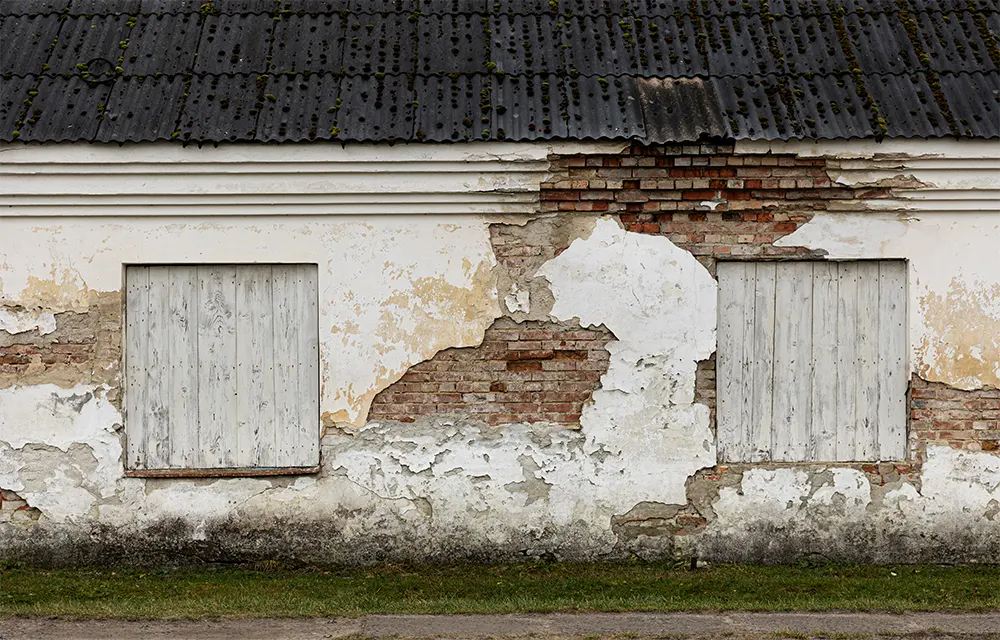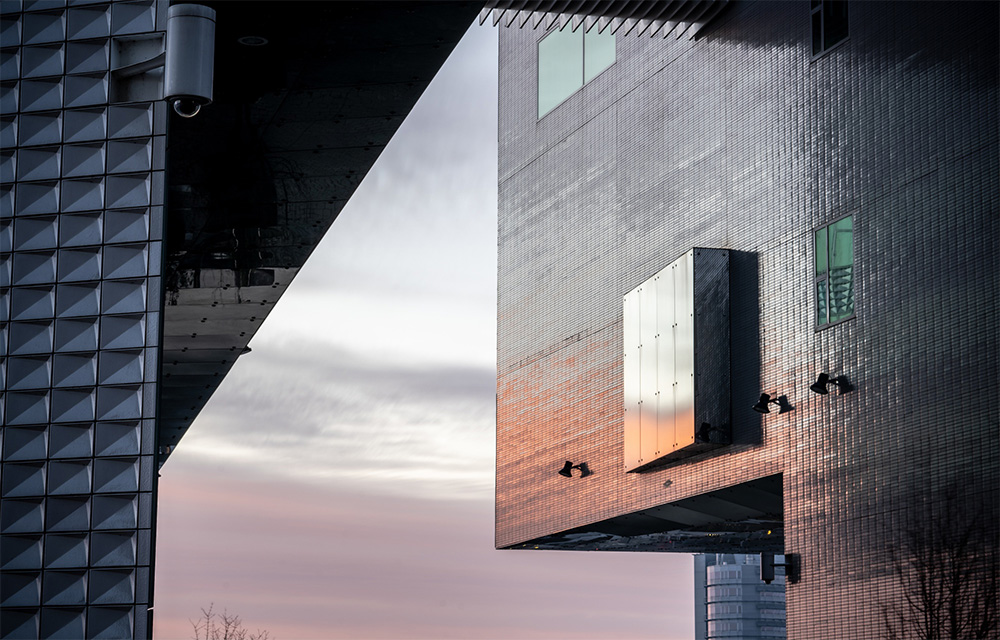
Building facades serve as the first line of defense against external elements while also defining the aesthetic appeal of structures. However, facades are prone to various issues that can compromise safety, performance, and appearance. Facade diagnostics is essential for identifying problems early and implementing effective maintenance strategies. This article will explore common problems detected during facade diagnostics and provide practical solutions for addressing these issues.
- Cracks and Structural Defects
Cracks are one of the most prevalent problems uncovered during facade diagnostics. They can arise due to material fatigue, thermal expansion, or structural movements.
Types of Cracks:
- Hairline Cracks: Usually superficial, often caused by temperature changes.
- Structural Cracks: Deeper and indicative of load-bearing issues.
- Water Penetration Cracks: Occur when moisture infiltrates porous materials.
Solutions:
- Sealants and Coatings: To fill minor cracks and prevent water ingress.
- Reinforcement Repairs: Strengthen affected areas using fiber-reinforced materials.
- Structural Assessment: Conduct a detailed analysis to address root causes.
- Water Infiltration and Leakage
Moisture ingress can lead to mold growth, interior damage, and corrosion of structural components.
Causes:
- Faulty sealant joints
- Poorly designed drainage systems
- Damaged waterproof membranes
Detection Techniques:
- Thermal Imaging: Identifies temperature variations caused by moisture.
- Moisture Meters: Measure dampness within the facade.
- Water Testing: Simulates rainfall to detect leaks.
Solutions:
- Resealing Joints: Use weather-resistant sealants.
- Waterproof Coatings: Apply coatings to porous surfaces.
- Facade Overcladding: Add protective layers to enhance water resistance.
- Corrosion of Metal Components
Metal components within the facade, such as fasteners and frames, are susceptible to rust and corrosion.
Causes:
- Exposure to moisture and pollutants
- Inadequate protective coatings
- Poor maintenance practices
Prevention:
- Galvanized Coatings: Protect steel elements from rust.
- Regular Maintenance: Inspect and treat corroded parts promptly.
- Material Selection: Opt for corrosion-resistant alloys.
- Delamination of Cladding Materials
Delamination occurs when cladding materials separate from their substrates, posing safety hazards.
Causes:
- Poor adhesion during installation
- Water infiltration behind cladding
- Thermal stress causing expansion and contraction
Solutions:
- Adhesive Renewal: Reattach loose cladding with high-bond adhesives.
- Anchor Reinforcement: Use mechanical fasteners to secure panels.
- Regular Inspections: Monitor areas prone to detachment.
- Thermal Bridging and Energy Loss
Thermal bridging occurs when conductive materials transfer heat through the building envelope, reducing energy efficiency.
Detection:
- Infrared Thermography: Identifies cold spots and heat leaks.
- Energy Modeling: Assesses overall thermal performance.
Mitigation:
- Thermal Breaks: Incorporate non-conductive materials between structural elements.
- Insulation Upgrades: Add continuous insulation to reduce heat flow.
- Window Replacement: Install double-glazed or thermally broken windows.
- Aesthetic Degradation
Over time, facades may suffer from discoloration, staining, and biological growth like algae or mold.
Causes:
- Pollution and environmental factors
- Water runoff leaving mineral deposits
- Lack of routine cleaning and maintenance
Solutions:
- Pressure Washing: Remove dirt and biological growth.
- Surface Treatments: Apply anti-graffiti and protective coatings.
- Periodic Maintenance: Regular cleaning to preserve aesthetic quality.
- Inadequate Anchoring and Fixing Systems
Loose or inadequate anchoring systems can result in facade instability, especially during high winds or seismic events.
Detection:
- Load Testing: Assess the holding capacity of anchor points.
- Visual Inspections: Identify signs of detachment or movement.
Solutions:
- Retrofitting: Strengthen existing fixings.
- Mechanical Anchors: Replace faulty systems with more robust solutions.
- Routine Checks: Regularly inspect anchors for signs of wear.
Conclusion
Regular facade diagnostics are vital for identifying and addressing issues before they escalate into significant problems. Proactively inspecting and maintaining building facades ensures structural integrity, safety, and aesthetic appeal. For comprehensive facade diagnostics and maintenance services, contact our expert team today to safeguard your building’s exterior.