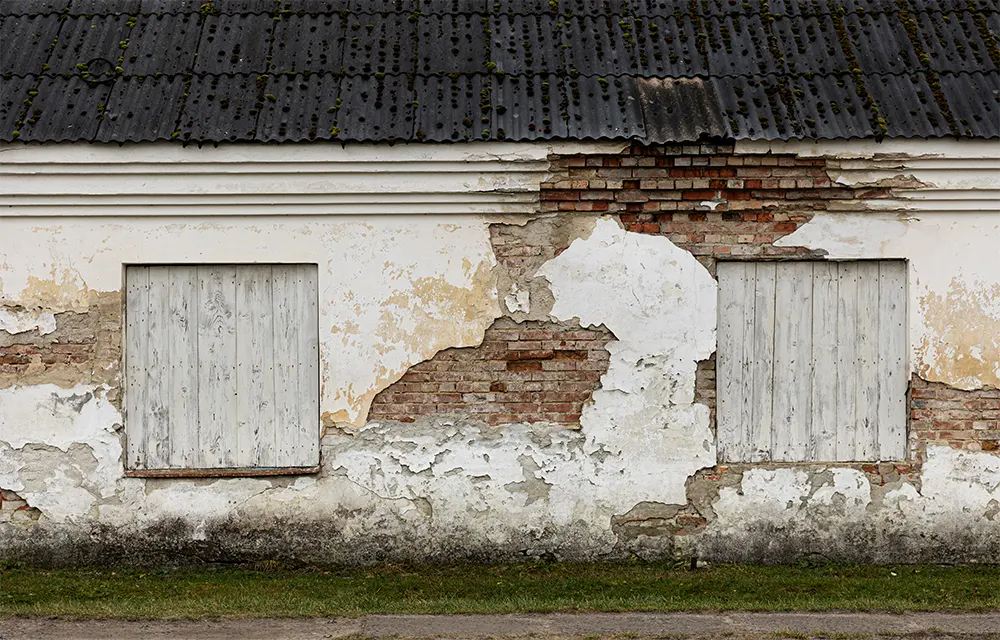
The facade of a building is more than just its outer shell, it is a critical component that influences performance, safety, aesthetics, and long-term durability. Over time, exposure to wind, moisture, UV radiation, pollutants, and thermal fluctuations can compromise facade materials, joints, and structural elements. That’s why facade inspection and maintenance have become vital for both old and new buildings, ensuring that issues are detected early and addressed before they escalate into costly repairs or hazardous conditions.
As buildings become more complex and as cities grow vertically, traditional methods of façade inspection are no longer sufficient. Advanced techniques now allow for safer, more accurate, and cost-effective ways to assess facade conditions. This article explores the latest technologies, tools, and strategies used in modern facade inspection and maintenance and why integrating them into routine building management plans is a smart investment.
The Importance of Regular Facade Inspection
Facades are subjected to constant environmental stress. When minor issues go unnoticed (like cracks, spalling, sealant failure, or moisture ingress) they can quickly evolve into major structural problems or safety hazards, especially in high-rise buildings.
Why regular façade inspection matters:
- Prevents accidents caused by falling materials
- Extends the life of cladding systems
- Ensures compliance with safety codes and insurance policies
- Preserves aesthetic and real estate value
- Improves energy efficiency by maintaining thermal and moisture barriers
In regions with stringent building safety regulations, periodic facade inspections are mandated by law, particularly for older buildings or those above a certain height.
Traditional Methods and Their Limitations
Historically, facade inspections relied heavily on manual access methods such as:
- Rope access or abseiling
- Scaffolding
- Boom lifts or cherry pickers
While these approaches allow close physical examination, they have several drawbacks:
- High costs and long setup times
- Limited coverage in a single session
- Increased risk to personnel
- Potential disruption to building occupants
These limitations have driven the evolution toward non-destructive, technology driven inspection solutions that offer speed, precision, and safety.
Modern Technologies for Facade Inspection
- Drone-Based Inspections
Unmanned Aerial Vehicles (UAVs), commonly known as drones, have revolutionized facade inspections, especially for tall or hard-to-reach buildings.
Advantages:
- Capture high-resolution images and video from multiple angles
- Cover large surface areas quickly
- Reduce human risk by eliminating the need for physical access
- Integrate with AI for defect detection and thermal analysis
Equipped with advanced sensors and thermal cameras, drones can identify cracks, corrosion, water ingress, and delamination, often more efficiently than a human inspector could on foot.
- Infrared Thermography
Thermal imaging is a non-invasive method that identifies temperature differences on facade surfaces. These variations often indicate underlying issues like:
- Water intrusion
- Thermal bridging
- Poor insulation
- Delaminated cladding
Infrared cameras detect anomalies that are invisible to the naked eye, allowing early diagnosis of moisture damage and insulation failure. This is especially valuable for energy audits and sustainability assessments.
- Laser Scanning (LiDAR)
LiDAR (Light Detection and Ranging) uses laser pulses to create detailed 3D models of building facades. It enables:
- High-precision dimensional analysis
- Detection of warping or deformation
- Baseline comparison for future inspections
LiDAR is highly effective for heritage buildings or complex facade geometries where accurate data capture is essential for conservation or repair planning.
- Artificial Intelligence (AI) and Image Recognition
AI-powered software now assists in analyzing images and thermal data to automatically detect and classify defects. Machine learning models are trained to recognize:
- Cracks
- Efflorescence
- Rust stains
- Missing or broken facade components
This allows for faster reporting, more consistent results, and better prioritization of maintenance tasks.
Innovative Maintenance Strategies
Façade Inspections are only one side of the equation, timely and targeted maintenance ensures that detected issues are resolved before they compromise the structure.
Predictive Maintenance
Instead of reactive repairs, modern building managers are turning to predictive maintenance strategies. These use inspection data and building management systems (BMS) to forecast when and where problems will likely occur. Benefits include:
- Lower long-term costs
- Reduced emergency repairs
- Less disruption to building operations
Self-Cleaning and Smart Facade Materials
New facade systems integrate materials that reduce maintenance needs. Examples include:
- Photocatalytic coatings that break down pollutants and prevent grime build-up
- Hydrophobic surfaces that repel water and dirt
- Phase-change materials (PCMs) that improve energy efficiency and thermal regulation
Using such materials can minimize routine cleaning and mitigate some common degradation issues.
Modular Facade Repairs
In cases where panels or cladding units are damaged, modular systems allow for individual replacements without disturbing the rest of the facade. This reduces cost, labor, and time compared to wholesale re-cladding.
Compliance, Documentation, and Digital Records
Maintaining up-to-date documentation of inspections and repairs is not only critical for regulatory compliance—it also adds long-term value to the building.
Digital twin technology and Building Information Modeling (BIM) are increasingly used to:
- Store facade condition data in real time
- Track maintenance history
- Simulate aging and performance over time
This facilitates better planning, budgeting, and transparency for owners, facility managers, and future buyers or tenants.
Sustainability and Environmental Considerations
Facade performance plays a direct role in a building’s energy use and environmental footprint. Façade Inspections and maintenance are essential for ensuring:
- Thermal insulation remains intact
- Air leakage is minimized
- Moisture infiltration does not degrade materials
Buildings with well-maintained facades contribute to reduced HVAC loads, improved indoor air quality, and longer material lifespans—making them more sustainable and cost-effective over time.
Professional Facade Diagnostic Services
While advanced tools are available, the interpretation of data and implementation of repairs require specialized expertise. Professional facade engineering teams bring:
- Multidisciplinary knowledge of materials, structures, and building envelopes
- Certification in safety and inspection standards
- Access to high-grade diagnostic tools and analysis software
They provide detailed condition assessments, recommend tailored repair solutions, and help clients maintain regulatory compliance and building performance standards.
Conclusion
The facade is not just the face of your building—it’s a barrier against the elements, a contributor to occupant comfort, and a key factor in structural integrity. As building designs become more complex and the demand for longevity increases, the role of facade inspection and maintenance has grown more important than ever.
By adopting advanced technologies such as drone imaging, thermal analysis, LiDAR, and predictive maintenance, building owners and facility managers can ensure early defect detection, reduce risks, and extend the service life of facade systems. Ultimately, proactive care of your building envelope translates into better performance, lower costs, and greater long-term value.
Ready to modernize your facade inspection approach? Contact us to speak with our building envelope specialists today.