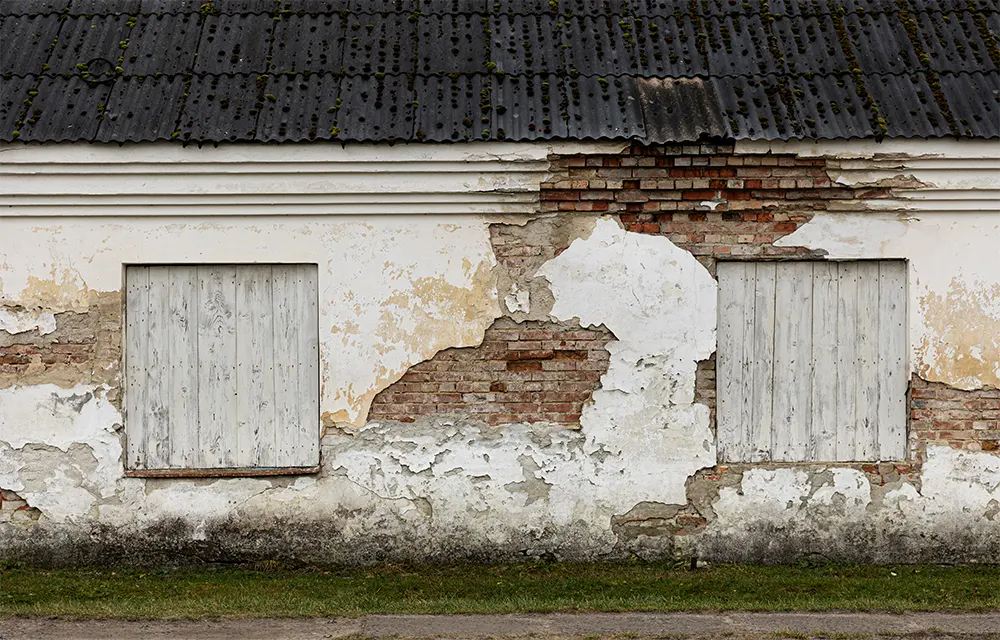
In modern architecture, the façade serves far more than just an aesthetic purpose it’s a protective barrier, a functional envelope, and a critical component of a building longevity. Façade engineering, a specialized discipline within building envelope design, plays a pivotal role in preserving a structure’s integrity over decades. It ensures that buildings withstand environmental stressors, retain energy efficiency, and remain structurally sound with minimal degradation.
This article explores how Façade Engineering directly contributes to building longevity, discussing the interplay between design, material selection, environmental resilience, and proactive maintenance strategies.
What Is Façade Engineering?
Façade engineering is the science and art of designing the external envelope of a building to fulfill performance goals such as structural stability, thermal regulation, water and air resistance, durability, and aesthetic harmony.
A well-engineered façade protects the building from:
- Moisture intrusion
- Thermal stress and heat loss
- Wind pressure and air infiltration
- Ultraviolet radiation
- Mechanical wear and tear
Façade engineers collaborate with architects, structural engineers, and materials specialists to ensure that the outer skin of the building does not become its weakest link.
The Relationship Between Façade Design and building longevity
A building longevity depends heavily on how well its envelope performs over time. Poor façade design leads to early material fatigue, leaks, energy inefficiency, and even internal structural degradation.
How Façade Design Extends building longevity:
- Preventing Moisture Damage: By managing rainwater drainage and vapor permeability, façades keep structural elements dry, avoiding mold and corrosion.
- Thermal Insulation: Proper insulation materials and cavity designs reduce heat loss, preventing condensation and prolonging HVAC system life.
- Load Distribution: Certain façades contribute to load sharing or wind resistance, reducing stress on the core structure.
- UV and Weather Protection: Finishes and coatings shield surfaces from solar radiation, fading, and brittleness.
A building with a façade engineered for its climate zone and environmental exposure will inherently last longer than one that ignores these variables.
Material Selection: A Cornerstone of Durability
Material choice is perhaps the most critical decision in façade engineering. Different materials behave differently under stress, temperature change, pollution exposure, and moisture.
Durable Façade Materials Commonly Used:
- Aluminum Composite Panels (ACP): Lightweight, corrosion-resistant, and durable in high UV environments.
- High-Performance Glass: Laminated and low-e glass maintains thermal comfort and resists breakage.
- Terracotta Cladding: Highly durable, non-combustible, and weather-resistant.
- Natural Stone (Granite, Slate): Offers timeless durability and resists atmospheric pollutants.
- Fiber Cement Boards: Resistant to fire, moisture, and termites.
The building longevity is often determined by how these materials are installed and integrated with each other. For example, improper sealing between glass panels and aluminum mullions may lead to water ingress and mold, even if the materials themselves are high quality.
Moisture Management and Air Tightness
Water penetration is a major cause of building deterioration, making moisture control one of the central goals of façade engineering.
Techniques to Enhance Moisture Resistance:
- Rainscreen Systems: These provide a ventilated cavity behind the outer cladding to allow moisture to drain or evaporate before it reaches the building’s core.
- Proper Flashing and Drainage Details: Direct water away from joints and weak points.
- Air and Vapor Barriers: Prevent unwanted air leakage and condensation inside the wall cavity.
Air infiltration not only contributes to energy inefficiency but can also bring in humid air that condenses within the wall system, damaging insulation and studs. Tight, well-sealed façades help prevent this and thereby extend the life of the building.
Adaptation to Environmental Conditions
One of the most effective ways façade engineering contributes to building longevity is through context-specific design. Buildings in different climates face different challenges, from salt-laden coastal air to freeze-thaw cycles in alpine regions.
Examples of Adaptive Strategies:
- In hot climates: Use of reflective surfaces and sunshades to reduce thermal load on materials.
- In cold climates: Design of deep cavity walls and thermal breaks to prevent condensation and ice damage.
- In coastal areas: Selection of corrosion-resistant materials like marine-grade stainless steel and specialized coatings.
Engineers who understand the environmental context can design façades that endure decades of exposure without significant degradation.
Structural Integration and Façade Performance
In some buildings, particularly high-rises, the façade may also contribute to structural integrity. Curtain walls, for example, must resist wind pressure, seismic movements, and thermal expansion while remaining securely anchored.
Key Considerations:
- Anchoring Systems: Must accommodate building movement without compromising envelope performance.
- Movement Joints: Allow for thermal or seismic movement without cracking or detachment.
- Wind Load Design: Panels and fixings must be selected based on local wind pressure zones to avoid deformation.
A structurally integrated façade system is less likely to suffer detachment or failure, reducing maintenance needs and extending service life.
Inspection and Maintenance: Preserving Long-Term Performance
Even the most well-engineered façade will degrade over time if not inspected and maintained. Scheduled façade inspections are essential to identify minor issues before they escalate into structural problems.
Best Practices for Façade Maintenance:
- Annual visual inspections for signs of wear, corrosion, or sealant failure.
- Cleaning regimes appropriate to material type (e.g., avoiding acid cleaners on limestone).
- Sealant replacement every 10–15 years depending on exposure.
- Thermal imaging to detect moisture ingress or insulation voids.
Incorporating maintenance-friendly design, such as access panels and cleaning platforms, is also part of good façade engineering that promotes building longevity.
Compliance with Building Codes and Energy Standards
Modern façade systems are expected to comply with a range of building performance standards, many of which are tied to energy efficiency and environmental sustainability.
Key Standards:
- NZBC Clause E2 (External Moisture)
- AS/NZS 4284 (Façade Testing)
- ISO 14025 (Environmental Declarations)
- LEED & Green Star Ratings for energy-efficient design
Adhering to these regulations ensures not only compliance but long-term cost savings and reduced need for energy-related upgrades another contributor to the building longevity.
Conclusion
Façade engineering is far more than an architectural flourish it’s an essential discipline that dictates how well a building performs over time. From material selection and environmental adaptation to airtightness and moisture management, the façade defines how much protection a building has against the elements. It also plays a crucial role in structural resilience, energy efficiency, and future maintenance requirements.
For developers, architects, and property owners seeking long-term value, investing in expert façade engineering is one of the most important decisions to ensure a building not only looks great but also lasts for decades.
To ensure your building’s façade is engineered for long-term performance and durability, contact us today to speak with our façade engineering specialists.