Modern architecture increasingly emphasizes not just aesthetics and form but also energy efficiency, durability, and occupant comfort. At the heart of these performance expectations lies a vital and important discipline: Enclosure Engineering. Also known as building envelope engineering, this field focuses on the design and performance of the physical barrier that separates the conditioned (indoor) environment from the unconditioned (outdoor) environment.
This article explores what enclosure engineering is, why it is critical to modern construction, and how it impacts every phase of a building’s life cycle from conceptual design to post-construction maintenance.
We at Symetrix offer you building envelope engineering so if you need any consultant for building enclosure engineering feel free to contact us.
Understanding the Building Enclosure
The building enclosure (also referred to as the building envelope) is composed of all the layers and systems that form the outer shell of a building. It includes the roof, walls, windows, doors, insulation, air barriers, vapor barriers, and waterproofing systems. The purpose of the enclosure engineering, is to manage the flow of heat, air, moisture, and light, all while maintaining structural integrity.
Key Responsibilities of the Building Enclosure:
- Thermal regulation: to ensure energy efficiency.
- Moisture management: to prevent water ingress and internal decay.
- Air control: to eliminate drafts and improve indoor air quality.
- Structural support: for elements like curtain walls and cladding.
- Aesthetic contribution: through visible components like façades and glazing.
Enclosure engineering is the science and practice of ensuring that all of these systems work together harmoniously, effectively, and sustainably.
The Core Objectives of Enclosure Engineering
While the building envelope may appear static, it is a dynamic system subject to multiple physical forces and environmental stressors. Enclosure engineering brings a science-based approach to optimize its performance across the following domains:
- Energy Efficiency and Thermal Performance
Enclosure engineers analyze how a building’s envelope affects heat flow to ensure compliance with energy codes and sustainability goals. They specify insulation materials, window glazing, and thermal breaks to minimize heat loss or gain, reducing the need for heating and cooling systems.
- Air and Moisture Control
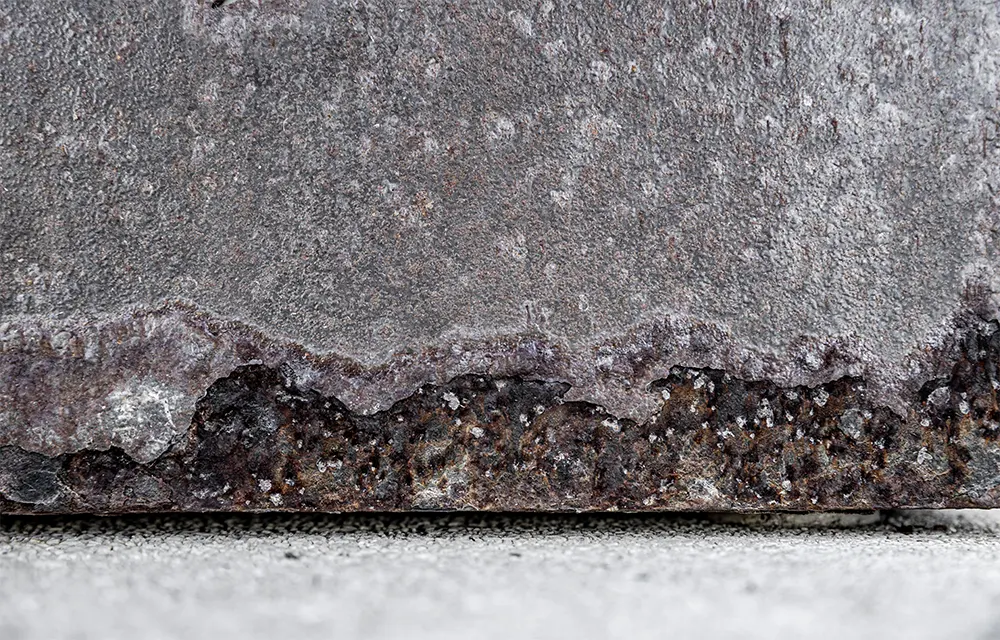
Controlling moisture and air movement is crucial for building health and occupant comfort. Enclosure engineers design air and vapor barriers, drainage systems, and water-resistant materials that reduce the risk of mold, rot, or corrosion, common issues in poorly designed envelopes.
- Durability and Longevity
Material degradation, freeze-thaw cycles, UV exposure, and pollution can compromise an envelope’s integrity. Enclosure engineers select materials and detailing strategies that withstand environmental stress over time, minimizing costly maintenance and repairs.
- Climate Responsiveness
A building in coastal New Zealand requires different strategies compared to one in an arid inland region. Enclosure engineers tailor the design to local climate conditions, ensuring the building performs optimally regardless of weather patterns.
- System Integration
No part of the enclosure exists in isolation. The façade must connect seamlessly to the roof and foundation, all while coordinating with structural and mechanical systems. Enclosure engineers bridge these disciplines with detailing that prevents thermal bridging, water intrusion, and structural weakness.
Enclosure Engineering vs. Other Disciplines
It’s important to distinguish enclosure engineering from similar or overlapping fields like architecture, structural engineering, or mechanical engineering. While architects may conceptualize the appearance of a building’s façade and structure, enclosure engineers focus specifically on its performance, especially with regard to environmental control and durability.
Unlike structural engineers, who ensure that a building can withstand loads like gravity, wind, and seismic activity, enclosure engineering ensure that water doesn’t penetrate the wall, condensation doesn’t form in insulation layers, and energy isn’t lost through thermal bridges.
Unlike HVAC engineers, who design indoor air systems, enclosure engineers create the physical barrier that determines how well the building retains heated or cooled air.
Services Offered by Enclosure Engineering
Firms that specialize in enclosure engineering often provide a range of services that span the entire building process:
- Design Consultation
Working with architects during the early design stages, enclosure engineers help select systems and materials to meet performance objectives. This includes specifying the correct insulation, cladding systems, vapor barriers, and waterproofing techniques.
- Detailing and Documentation
Enclosure engineers produce detailed drawings and specifications to guide construction teams. This includes thermal break detailing, window installation methods, and expansion joint placements.
- Performance Modeling
Through simulations like hygrothermal modeling and thermal bridge analysis, engineers predict how an enclosure system will perform under specific conditions.
- Construction Phase Services
During construction, engineers perform field inspections, quality control checks, and testing (such as air leakage testing or infrared thermography) to ensure that the envelope is being installed as designed.
- Post-Occupancy Evaluation
Enclosure engineers may also conduct evaluations after occupancy to assess performance over time and recommend retrofit or maintenance strategies if necessary.
At Symetrix we perform all services for enclosure engineering we just mentioned and more. If you need enclosure engineering services contact our team now.
Modern Challenges in Enclosure Engineering
With increasing demands on sustainability and performance, enclosure engineering has become more complex. Professionals in this field face several challenges:
- Balancing cost with performance: High-performing materials can be expensive, and value engineering can sometimes lead to compromised designs.
- Keeping up with evolving codes: Building codes related to energy performance and environmental sustainability are constantly evolving, requiring ongoing professional development.
- Integrating new materials: Emerging technologies like phase-change materials or smart glazing offer opportunities, but also require new methods of evaluation and integration.
- Coordination across disciplines: Enclosure engineers must constantly collaborate with architects, structural engineers, MEP consultants, and contractors to deliver fully integrated systems.
The Role of Enclosure Engineering in Green Building and Sustainability
Enclosure engineering is pivotal in achieving certifications like LEED, Green Star, or Passive House. By minimizing heat loss, controlling air leakage, and managing moisture effectively, enclosure engineers help reduce operational energy use, one of the largest contributors to a building’s carbon footprint.
In retrofit projects, enclosure engineers can evaluate existing envelope performance and recommend upgrades such as new insulation, airtightness improvements, or façade overcladding to extend the life of aging buildings while improving efficiency.
Why Your Project Needs Enclosure Engineering
Investing in enclosure engineering is not a luxury, it is essential for:
- Meeting modern building codes and standards
- Protecting your investment through long-term durability
- Reducing energy bills and carbon emissions
- Enhancing occupant comfort and indoor air quality
- Ensuring effective coordination between design intent and construction reality
Whether you’re planning a new commercial tower, retrofitting a heritage building, or developing a multi-unit residential project, enclosure engineering ensures that your building functions as beautifully as it looks.
Conclusion
Enclosure engineering is an indispensable discipline that integrates science, design, and technology to protect buildings from the environment, improve energy efficiency, and support long-term durability. In modern architecture, where sustainability and performance are paramount, the role of enclosure engineers is more critical than ever.
To ensure your building’s enclosure is designed and implemented for maximum performance, contact us today to speak with our expert team.