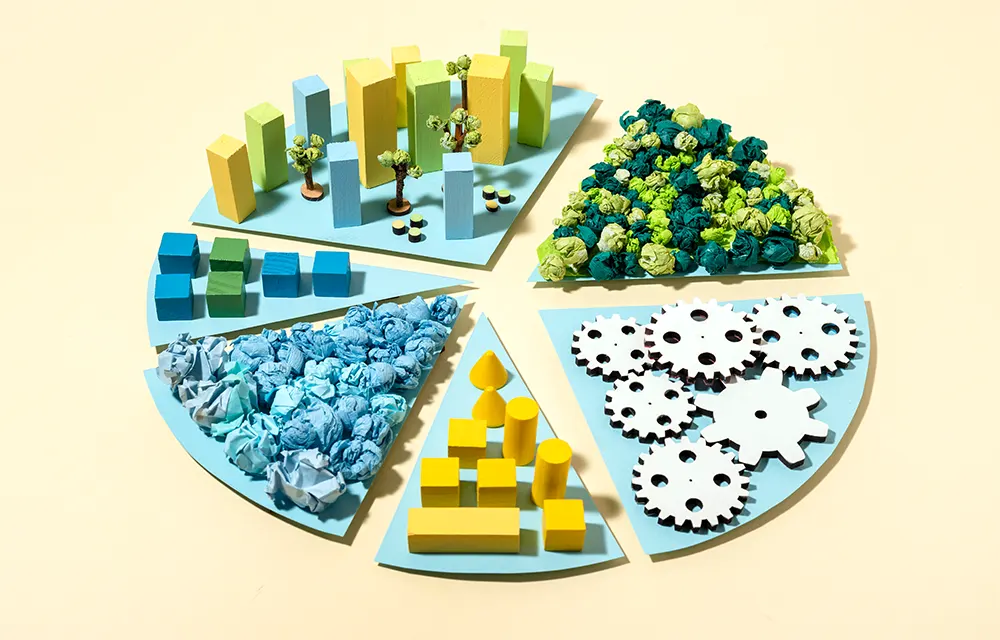
Green buildings are often celebrated for their environmental contributions, lowering carbon emissions, conserving resources, and promoting healthier spaces. However, what is sometimes overlooked is their economic impact. Beyond ecological responsibility, investing in green building design and construction makes strong financial sense. From reduced operating costs to higher asset values and increased market demand, the economic case for green building investments has never been stronger.
This article explores the financial advantages of sustainable construction, examining both direct and indirect returns that make green buildings a smart long-term investment.
Defining Green Building Investments
Green building investments refer to funding directed toward projects that prioritize energy efficiency, sustainability, and occupant well-being. These may include:
- Integrating renewable energy systems such as solar or wind.
- Using energy-efficient HVAC and lighting solutions.
- Applying sustainable materials and circular design principles.
- Achieving recognized certifications like LEED, BREEAM, or Green Star.
While these green building investments often carry higher upfront costs, they deliver long-lasting financial benefits throughout the building’s lifecycle.
Direct Economic Benefits of Green Buildings investments
- Energy Efficiency and Cost Savings
Energy-efficient designs reduce electricity and heating demands, lowering operating expenses. For example, smart HVAC systems, advanced insulation, and high-performance windows significantly cut energy bills. Over time, these savings outweigh the initial green building investment. - Water Conservation Savings
Implementing rainwater harvesting systems, greywater recycling, and low-flow fixtures reduces water consumption and utility costs, particularly valuable in regions facing water scarcity. - Lower Maintenance and Operational Costs
Durable, sustainable materials require less frequent replacement and upkeep. Integrated building management systems further streamline operations, saving time and money.
Indirect Economic Benefits of Green Building Investments
- Higher Property Values
Green-certified buildings often command higher sales prices and rental rates. Buyers and tenants recognize their long-term savings potential and environmental benefits of green building investments, boosting demand. - Increased Occupancy Rates
Businesses and residents increasingly prefer sustainable buildings, driving higher occupancy levels and reducing vacancy risks for owners. - Attracting Investment and Incentives
Governments and financial institutions frequently offer tax breaks, grants, or lower interest rates for green construction, making financing more accessible. - Employee Productivity and Health
For commercial spaces, green buildings with improved air quality, natural lighting, and thermal comfort lead to better worker productivity and reduced absenteeism, benefits that directly impact profitability.
Green Buildings Investments and Risk Reduction
Green buildings investments also helps mitigate risks:
- Regulatory Risks: As building codes tighten worldwide, sustainable construction ensures compliance and avoids future retrofitting costs.
- Climate Risks: Energy-efficient and resilient buildings reduce vulnerability to rising energy costs and climate-related damages.
- Market Risks: As consumer preferences shift toward sustainability, non-green buildings risk obsolescence and lower demand.
Return on Investment (ROI) in Sustainable Construction
While upfront costs for green buildings investments can be 5 to 10% higher than conventional designs, studies consistently show that operational savings, higher rents, and increased valuations deliver payback within a few years. Over a 20 to 30 year building lifecycle, green buildings generate substantial ROI, making them a financially sound choice.
Global Market Growth of Green Buildings
The economic momentum of green buildings is also reflected in global market trends. According to industry reports, the green building market continues to expand rapidly, fueled by government policies, corporate sustainability commitments, and consumer awareness. This trend highlights not just an ecological movement but a robust economic opportunity for green building investments.
Challenges and Misconceptions in Green Building Investments
Despite the clear benefits of green building investments, some challenges for green building investments still remain
For example:
- Higher Initial Costs: Developers often focus on short-term budgets, overlooking lifecycle savings.
- Knowledge Gaps: Misunderstandings about certifications, materials, and systems can delay adoption.
- Perceived Risks: Some investors hesitate due to uncertainty about new technologies or market acceptance.
Education, awareness, and clear financial modeling are essential to overcoming these hurdles.
Conclusion
The economic case for green building investments is undeniable. They deliver lower operational costs, higher property values, stronger market demand, and reduced risks, all while supporting global sustainability goals. For investors, developers, and building owners, the message is clear: green construction is not just an environmental responsibility, it’s a smart financial and investment strategy.
If you’re ready to explore how green building investments can add long-term value to your projects, our team of green building services experts can guide you through sustainable design strategies that maximize ROI. Contact us today to learn more.