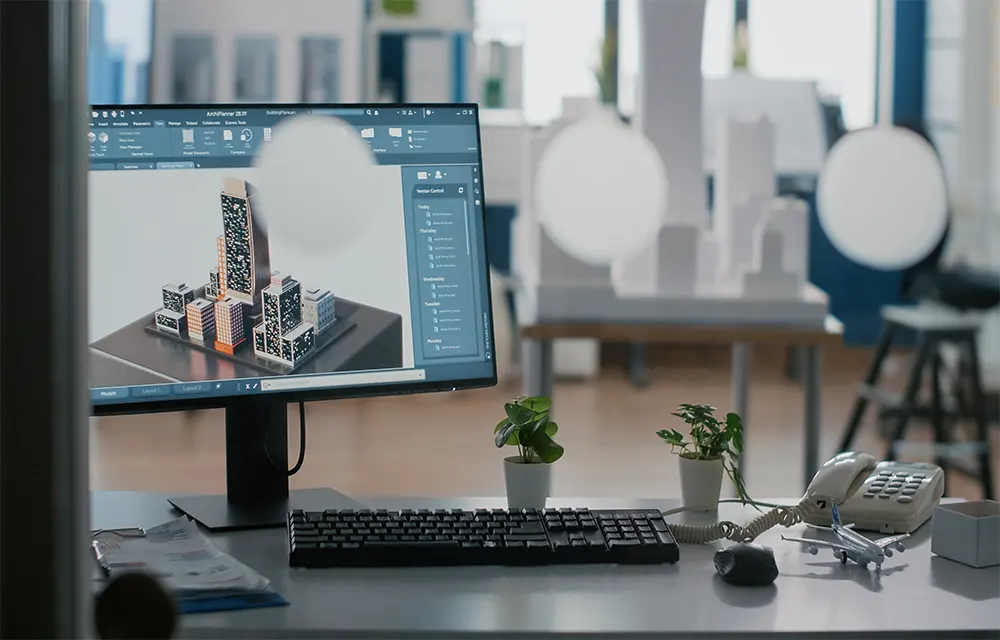
In the evolving world of architecture and engineering, parametric modeling has emerged as a groundbreaking approach that is redefining how buildings are conceptualized, analyzed, and constructed. By merging computation with creativity, parametric modeling allows engineers and architects to design structures that are not only visually stunning but also optimized for strength, efficiency, and sustainability.
This article explores how parametric modeling is transforming modern structural design, the principles behind it, its advantages, and the ways it is shaping the future of construction through intelligent, data-driven design processes.
What Is Parametric Modeling?
Parametric modeling is a computational design process that uses parameters (rules, algorithms, and mathematical relationships) to define and manipulate the geometry of a structure. Unlike traditional CAD (Computer-Aided Design), where each design element is drawn manually, parametric modeling allows engineers to adjust key variables (such as load paths, material thickness, or geometric proportions) and automatically update the entire structure in real time.
This process of parametric modeling enables a level of precision, flexibility, and efficiency that was once impossible. The most common tools used include Grasshopper for Rhino, Dynamo for Revit, and custom scripting environments that link directly to structural analysis software.
In essence, parametric modeling turns the design process into a living system, one that responds dynamically to design inputs, environmental data, and performance criteria.
How Parametric Design Transforms Structural Engineering
Traditional structural design often required engineers to rely on linear processes define geometry, apply loads, analyze, and iterate manually. Parametric modeling revolutionizes this by creating a feedback loop between form and performance.
This means that as the architect or engineer adjusts parameters such as column spacing, material type, or load distribution, the parametric modeling instantly recalculates and updates its form to reflect the optimal configuration.
For instance, in designing a roof truss, parametric modeling allows engineers to input parameters such as span length, loading conditions, and material limits. The model then generates multiple configurations that meet these criteria, allowing the design team to choose the most efficient and sustainable solution.
Core Principles of Parametric Structural Design
Parametric modeling relies on a few key principles that distinguish it from conventional design methods:
- Relationship-Based Design
Every element in a parametric modeling is connected through defined relationships or rules. When one element changes (e.g., the height of a column), dependent elements automatically adjust to maintain structural integrity.
- Real-Time Optimization
Parametric modeling can integrate with optimization algorithms, allowing engineers to test thousands of variations of a design in seconds to find the configuration that minimizes material use while maximizing performance.
- Data-Driven Decision Making
Parametric modeling connects design geometry with performance data (such as wind loads, solar exposure, or seismic response) enabling intelligent decision-making based on measurable outcomes.
- Interdisciplinary Collaboration
Because parametric modeling are compatible with Building Information Modeling (BIM) platforms, they promote collaboration among architects, engineers, and sustainability experts, ensuring that design intent aligns with technical feasibility.
Applications of Parametric Modeling in Structural Design
Parametric modeling is not limited to conceptual design, it has tangible applications throughout the building lifecycle. Here are a few key areas where it’s making a major impact:
- Structural Optimization
Engineers use parametric modeling to optimize load paths, beam depths, and material distribution, reducing overall weight and cost without sacrificing safety or stability.
- Complex Geometries and Architectural Freedom
Structures like curved façades, free-form roofs, and organic towers can be modeled efficiently using parametric modeling tools that manage thousands of geometric variables simultaneously.
- Seismic and Wind Performance Analysis
By linking parameters to environmental and structural loads, engineers can simulate and adjust designs for optimal performance under dynamic conditions like earthquakes and high winds.
- Sustainable Material Selection
Parametric modeling can incorporate life-cycle analysis (LCA) and embodied carbon data, enabling designers to select materials that minimize environmental impact.
- Digital Fabrication and Construction Automation
Parametric modeling data can be sent directly to fabrication tools such as CNC machines or 3D printers, ensuring precise, efficient, and waste-free construction.
Benefits of Parametric Modeling in Modern Structural Design
- Enhanced Efficiency
By automating repetitive calculations and geometry updates, parametric modeling reduces design time while improving precision across iterations.
- Greater Design Flexibility
Engineers can explore countless design options quickly, comparing how different configurations affect cost, performance, and aesthetics.
- Improved Collaboration
Parametric workflows connect seamlessly with BIM environments, allowing architects and engineers to coordinate more effectively and reduce design conflicts.
- Sustainability Integration
With environmental data embedded in the design process, engineers can create energy-efficient, low-carbon structures that align with modern green building standards.
- Reduced Errors and Rework
Because parametric models are rule-based, any design change automatically updates across the system, reducing manual adjustments and minimizing human error.
Case Studies: Parametric modeling Design in Action
Across the globe, parametric modeling is shaping iconic and high-performance structures. For example:
- The Beijing National Stadium (“Bird’s Nest”) used parametric algorithms to generate its intricate lattice structure, balancing aesthetics and structural strength.
- The Al Bahar Towers in Abu Dhabi employed parametric shading panels that automatically adjust to sunlight intensity, reducing solar gain by up to 50%.
- Parametric bridges and long-span roofs designed using computational models have achieved exceptional efficiency in load distribution and material use.
These projects showcase how parametric modeling merges engineering rigor with architectural innovation.
The Role of Parametric Modeling in Sustainable Design
Parametric modeling design plays a crucial role in achieving sustainable construction goals. By integrating real-world data (such as local climate, material carbon footprint, and daylight access) engineers can simulate building performance throughout its lifecycle.
This allows for optimization not only in terms of structural strength but also energy use, occupant comfort, and environmental resilience. As green building standards such as LEED and Green Star become more prevalent, parametric modeling is essential for demonstrating compliance through measurable performance data.
Challenges of Adopting Parametric Modeling
Despite its advantages, the widespread adoption of parametric modeling faces a few challenges:
- Learning Curve: Engineers and designers require specialized training in scripting and algorithmic design tools.
- Software Integration: Not all construction firms have compatible digital ecosystems for parametric workflows.
- Data Complexity: Managing large datasets can be resource-intensive and requires robust computing power.
- Resistance to Change: Traditional design methods remain deeply rooted in many organizations, slowing digital adoption.
However, as more firms recognize the competitive and environmental benefits, parametric modeling is rapidly becoming a standard in modern design practice.
The Future of Structural Design: AI and Parametric Synergy
The next frontier for parametric design lies in its integration with Artificial Intelligence (AI) and machine learning. AI-driven parametric models will not only respond to designer inputs but also learn from performance data, automatically generating the most efficient and sustainable structural solutions.
Coupled with digital twins and real-time sensor feedback, parametric modeling will allow engineers to continuously monitor and refine building performance even after construction, closing the loop between design, construction, and operation.
Conclusion
Parametric modeling is more than just a design tool, it represents a paradigm shift in structural engineering. By linking geometry, performance, and data through computational logic, it empowers engineers to create structures that are stronger, lighter, and more sustainable.
As technology continues to advance, parametric modeling will remain at the heart of innovation in structural design, bridging the gap between creativity and scientific precision, and ensuring that the buildings of tomorrow are designed for both resilience and intelligence.
To get professional consultant with our structural design engineers contact us today.