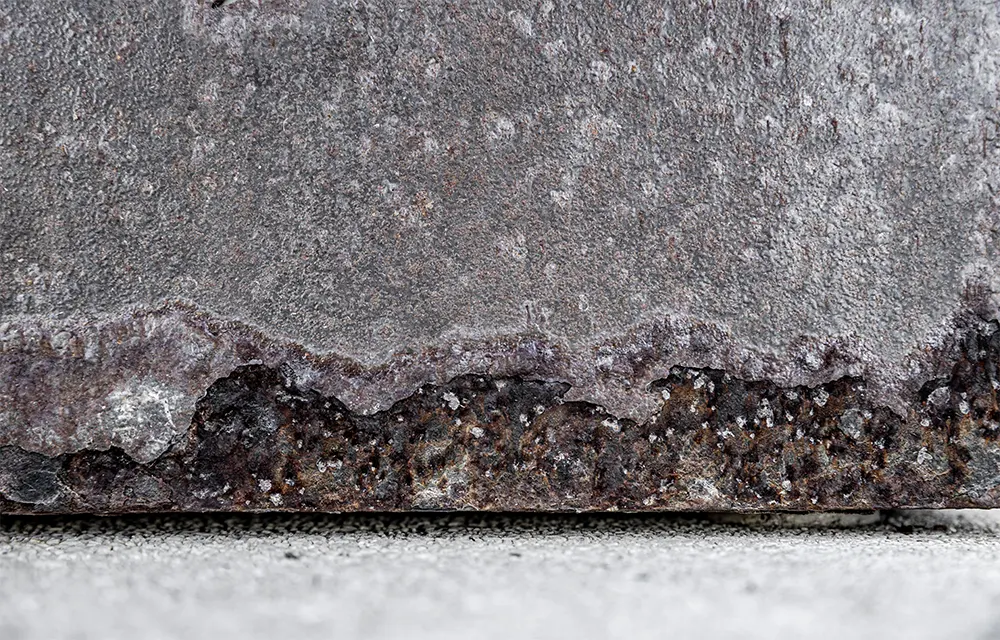
Building envelopes play a critical role in maintaining the structural integrity, energy efficiency, and comfort of a building. However, failures in the building envelope can lead to significant issues, from moisture infiltration to thermal inefficiency. In this article, we will discuss the most common building envelope failures and explore practical strategies to prevent them.
- Moisture Intrusion
One of the most prevalent building envelope failures is moisture intrusion. Water penetration into the exterior barriers results in mold growth, structural decay, and compromised insulation.
Causes:
- Poor waterproofing materials
- Cracked or damaged cladding
- Inadequate sealing around windows and doors
Prevention:
- Conduct regular inspections to identify potential vulnerabilities
- Use high-quality, weather-resistant materials
- Properly seal joints and gaps to minimize water entry
- Air Leakage
Air leakage reduces energy efficiency and affects indoor comfort. This failure occurs when gaps in the building envelope allow uncontrolled air exchange.
Causes:
- Inadequate sealing at junctions
- Damaged or poorly installed insulation
- Degradation of air barriers over time
Prevention:
- Install continuous air barriers during construction
- Regularly inspect and maintain seals
- Utilize advanced insulation materials that maintain performance over time
- Thermal Bridging
Thermal bridging occurs when conductive materials bypass insulation, leading to energy loss and potential condensation issues.
Causes:
- Improper insulation installation
- Use of materials with high thermal conductivity
- Lack of thermal breaks in structural components
Prevention:
- Use thermally broken framing systems
- Employ insulation strategies that minimize direct heat transfer
- Design with energy efficiency in mind from the outset
- Material Degradation
Over time, building envelope materials can degrade due to exposure to weather, UV radiation, and chemical reactions.
Causes:
- UV exposure leading to material breakdown
- Corrosion of metal components
- Cracking and spalling of masonry
Prevention:
- Select materials specifically designed for longevity and resistance
- Apply protective coatings where necessary
- Implement a routine maintenance plan
- Poor Installation Practices
Even with quality materials, improper installation can compromise the entire envelope system.
Causes:
- Inadequate training of installation crews
- Lack of adherence to manufacturer guidelines
- Inconsistent quality control during construction
Prevention:
- Train workers on proper installation techniques
- Use certified professionals for critical installations
- Conduct quality assurance checks at key stages
- Structural Movement
Buildings naturally settle over time, which can lead to cracks and misalignments in the envelope.
Causes:
- Differential settlement of foundations
- Thermal expansion and contraction
- Seismic activity in some regions
Prevention:
- Design with flexibility to accommodate movement
- Use materials that can tolerate minor shifts
- Regularly inspect joints and repair cracks promptly
Conclusion
Preventing building envelope failures requires a proactive approach involving proper material selection, quality installation practices, and consistent maintenance. By addressing potential vulnerabilities early, building owners and managers can enhance durability, reduce maintenance costs, and ensure optimal building performance.
For professional guidance on building envelope diagnostics and maintenance, contact our expert team today. We provide comprehensive services to ensure your building remains resilient and efficient.