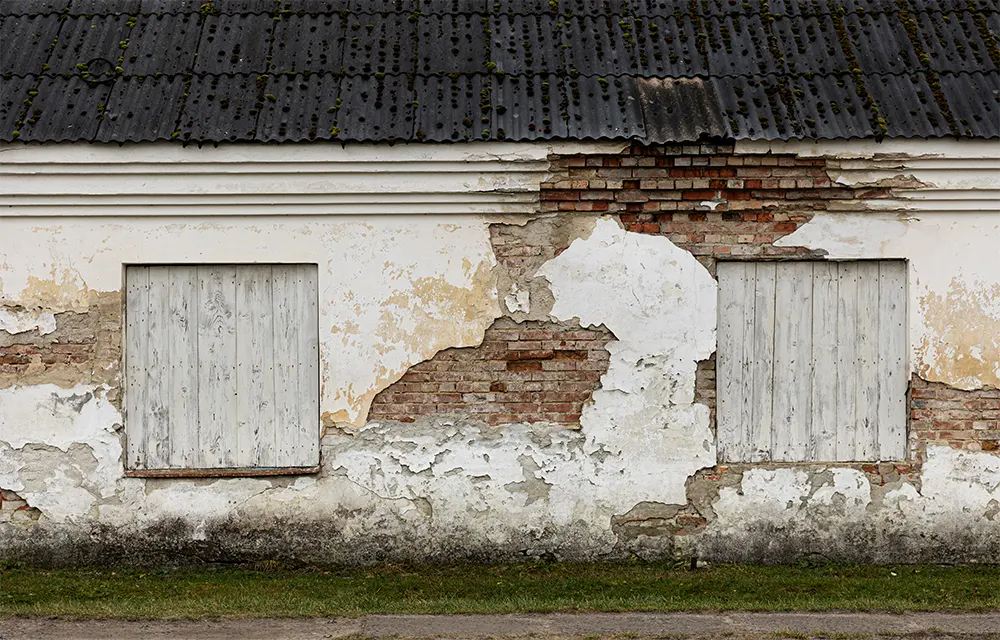
A building’s façade is not only an aesthetic feature, it also plays a crucial role in protecting the structure from environmental forces, ensuring thermal performance, and safeguarding occupant safety. However, façades are constantly exposed to weather, mechanical stress, and material aging, which can lead to deterioration over time. Detecting the early warning signs of façade failure is critical for preventing costly repairs, structural hazards, and even catastrophic collapses.
This article takes a façade diagnostic perspective on façade failure, highlighting the most common early signs of façade failure, the risks of overlooking them, and best practices for maintaining façade integrity.
Why Façade Failure Should Not Be Ignored
Façade failures can range from minor water leaks to significant structural instability. In high-rise buildings, even small issues such as cracks or loose cladding can pose serious risks to public safety. Beyond safety, façade deterioration affects building longevity, energy efficiency, and overall property value.
Timely detection and intervention allow engineers to address problems before they escalate, saving owners substantial costs in remediation.
Early Warning Signs of Façade Failure
- Cracks in Cladding or Masonry
Cracks (whether hairline or large) are among the most obvious signs of structural stress or material fatigue. They may result from thermal expansion, settlement, or moisture infiltration. Left untreated, cracks can spread, compromising both safety and appearance.
- Water Leakage and Staining
Persistent water ingress is a clear sign of façade failure and deterioration. Indicators include interior dampness, water stains, and mold growth. Water intrusion not only damages finishes but can corrode reinforcements, accelerate material breakdown, and increase HVAC loads.
- Efflorescence and Material Discoloration
White powdery deposits or discoloration on brick or concrete façades often signal moisture movement through porous materials. Efflorescence may appear harmless at first but usually indicates deeper water infiltration issues.
- Loose or Detached Components
Cladding panels, tiles, or glass units that rattle, loosen, or detach are urgent red flags. They point to anchor corrosion, poor installation, or material fatigue. This issue is particularly dangerous in windy urban environments.
- Deformation or Warping
Warped panels, bulging walls, or distorted joints suggest structural instability or water damage. Warping is often linked to differential thermal expansion or failed fixings, requiring immediate inspection.
- Sealant and Joint Failures
Sealants and expansion joints are designed to accommodate movement and maintain weather resistance. Brittle, cracked, or missing sealants can lead to air leakage, water infiltration, and thermal inefficiency.
- Unusual Sounds and Vibrations
Creaking, rattling, or vibration noises during wind events often signal weaknesses in façade connections. These sounds indicate that components are not securely fixed, raising the risk of detachment.
- Corrosion and Rust Stains
Metal elements within façades (such as anchors, mullions, and fixings) are prone to corrosion when exposed to moisture. Rust stains are often the visible symptom of hidden structural decay.
Diagnostic Approaches to Detect Façade Failure
Visual Inspections
Regular walk-through inspections by trained professionals help identify visible cracks, discoloration, or displacement.
Drone Surveys
Drones equipped with high-resolution cameras provide safe and efficient façade assessments, especially for tall or complex structures.
Thermal Imaging
Infrared thermography reveals areas of moisture infiltration, poor insulation, and thermal bridging, issues not visible to the naked eye.
Electronic Leak Detection
This method pinpoints weaknesses in waterproof membranes and helps prevent long-term water damage.
Structural Load Testing
In cases where detachment is suspected, load tests verify whether fixings and anchors meet safety requirements.
Risks of Ignoring Early Warning Signs of Façade Failure
- Public Safety Hazards: Falling debris from façades poses serious risks to pedestrians and vehicles.
- Escalating Costs: Minor cracks or leaks can escalate into structural repairs costing millions.
- Energy Inefficiency: Deteriorated façades increase heating and cooling loads, raising operational costs.
- Legal and Compliance Issues: Building owners may face liability if façade failures result in accidents or injuries.
Best Practices for Maintenance of a Façade Failure
- Routine Inspections: Schedule professional façade inspections annually or after severe weather events.
- Preventive Repairs: Address cracks, leaks, or sealant failures promptly to avoid façade failure escalation.
- Material-Specific Care: Different materials (glass, stone, concrete, or composites) require tailored maintenance strategies.
- Lifecycle Assessments: Conduct long-term durability studies to plan for refurbishment or replacement.
- Compliance with Standards: Follow local building codes and façade safety regulations to reduce risks of façade failure.
Conclusion
The façade is more than just a building’s exterior, it is a protective barrier essential for safety, efficiency, and durability. Recognizing early warning signs of façade failure such as cracks, water intrusion, or loose cladding allows for timely intervention and prevents hazardous consequences.
With advanced diagnostics like drone surveys, thermal imaging, and structural assessments, building owners can proactively manage risks of façade failure and extend the life of their façades.
If you are concerned about your building’s façade performance or want a professional façade diagnostic assessment, our engineering experts are here to help. Contact us today to ensure your building remains safe, efficient, and resilient for years to come.