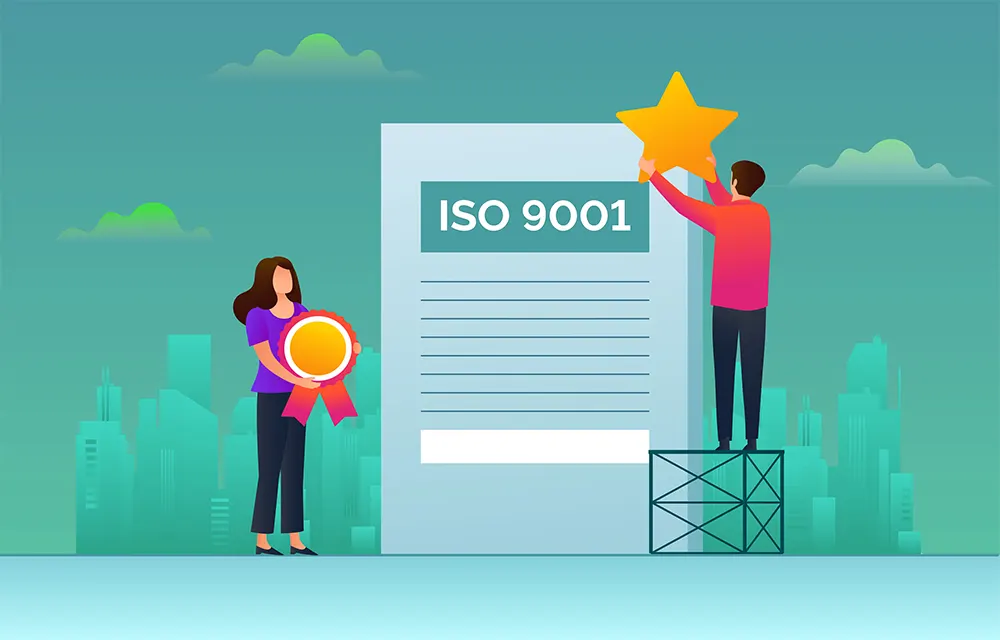
In today’s competitive and highly regulated markets, the success of any engineered product hinges not only on innovation and quality but also on compliance. Product compliance assessment plays a crucial role in ensuring that products meet the required legal, safety, and performance standards before they reach consumers or construction sites. From building materials and structural components to advanced electronic systems, every product must undergo a rigorous evaluation process to verify that it is safe, reliable, and aligned with national and international regulations.
This article delves into the process of product compliance assessment, why it matters, what it involves, and how your business can benefit from it.
Why Product Compliance Assessment Is Crucial
Product compliance is more than a box-ticking exercise, it is a critical function in risk management, quality assurance, and market access. Without it, manufacturers and suppliers risk severe penalties, recalls, legal disputes, and damage to brand reputation.
Benefits of product compliance assessment:
- Legal Assurance: Ensures adherence to statutory codes and regulations.
- Risk Reduction: Minimizes the chances of failures, accidents, and liability.
- Consumer Confidence: Builds trust in product quality and safety.
- Market Access: Enables legal entry into regulated domestic and international markets.
Key Regulatory Frameworks and Standards
Depending on where and how a product will be used, different regulations may apply. Here are some globally recognized frameworks that often form the backbone of product compliance:
- ISO Standards (International Organization for Standardization) – Universal benchmarks for quality, safety, and efficiency.
- CE Marking (Europe) – Required for many products to be sold in the European Economic Area.
- UL Certification (USA) – Focuses on electrical and fire safety for components and systems.
- ASTM International – Sets technical standards for a wide range of materials and products.
- New Zealand Building Code / Australian Standards – Regulatory requirements for construction materials in Oceania.
Each standard lays out clear criteria that products must meet to be considered compliant, including testing protocols, documentation, and performance thresholds.
The Process of Product Compliance Assessment
- Product Design and Documentation Review
The assessment process starts at the earliest design stages. Engineers and compliance professionals review blueprints, product specifications, and intended functions to ensure the design aligns with applicable standards.
This phase often involves:
- Verification of material safety
- Reviewing manufacturing processes
- Early-stage risk identification
- Identification of Relevant Standards and Directives
Different products fall under different regulatory domains. For example, a fire-resistant cladding material must comply with building fire safety codes, while a solar panel must meet electrical safety and energy efficiency regulations.
This step defines the compliance pathway and scope of the assessment.
- Testing and Certification
Third-party accredited laboratories often conduct rigorous testing to assess performance under various conditions. Tests may include:
- Mechanical strength testing
- Environmental impact assessments
- Electrical and fire safety testing
- Durability and lifecycle performance
Each test is guided by protocols defined by the governing regulatory standard.
- Risk Assessment and Mitigation
Beyond compliance, companies must identify how their product could potentially fail. This involves:
- Failure Mode and Effects Analysis (FMEA)
- Structural and thermal simulations
- Hazard identification and risk control measures
This phase helps reduce liability and allows for proactive improvements.
- Preparation of Technical Documentation
A crucial part of compliance is having complete documentation to demonstrate conformity. This includes:
- Test results and certificates
- Material specifications
- Manufacturing records
- Installation or operation manuals
- Declaration of Conformity
These documents are essential for audits, inspections, and legal protection.
- Labeling and Marking
Compliant products often carry standardized labels (such as CE, UL, or ISO marks) that signify certification and instill consumer confidence.
- Ongoing Compliance and Surveillance
Process of product Compliance assessment is not a one-time task. Regulations evolve, and products may undergo design or material changes. Therefore, businesses must adopt ongoing surveillance practices:
- Re-testing for new batches or models
- Periodic internal audits
- Compliance training for teams
Common Challenges in Process of Product Compliance Assessment
Despite the clear process, achieving and maintaining product compliance comes with several hurdles:
- Complex Regulatory Landscapes: Especially for multinational companies, navigating varied local and international laws can be difficult.
- Cost of Testing and Certification: High-end testing and third-party assessments can be expensive.
- Documentation Gaps: Incomplete or disorganized paperwork can delay certification or lead to non-compliance.
- Design Modifications: Any change in design may trigger the need for reassessment.
Companies need skilled professionals or consultants to guide them through these complexities.
Why Partnering with Experts Matters
Given the technical and legal intricacies of product compliance, working with experienced compliance specialists can significantly improve outcomes. A reliable partner ensures:
- Accurate interpretation of standards
- Seamless integration of compliance into the design and production phases
- Cost-effective and timely assessment
- Strategic advice for international market entry
This is especially important for construction, engineering, and industrial manufacturing sectors, where errors can be costly or even dangerous.
Conclusion
Product compliance assessment is not simply about adhering to rules, it is a proactive commitment to safety, quality, and ethical business. In a world where accountability and performance define reputation, investing in a robust compliance process is a vital strategy for long-term success. From risk mitigation to market credibility, the benefits are manifold.
If you’re seeking expert guidance or want to ensure your products meet every required standard, our team is here to help. Let us guide you through every step of the compliance process, from design to certification.
Contact Us to learn how we can support your product compliance goals and protect your reputation.