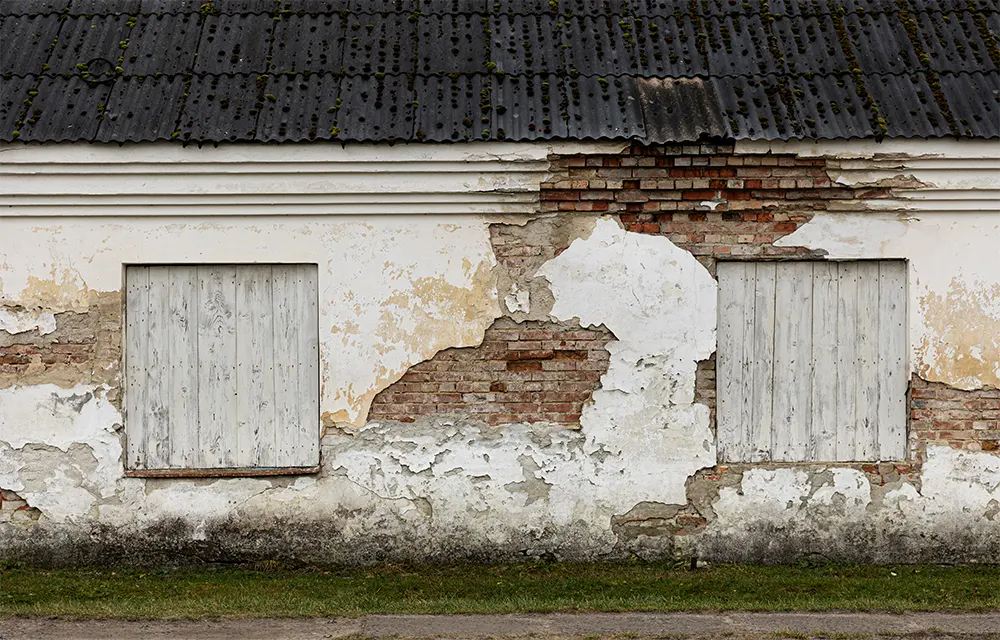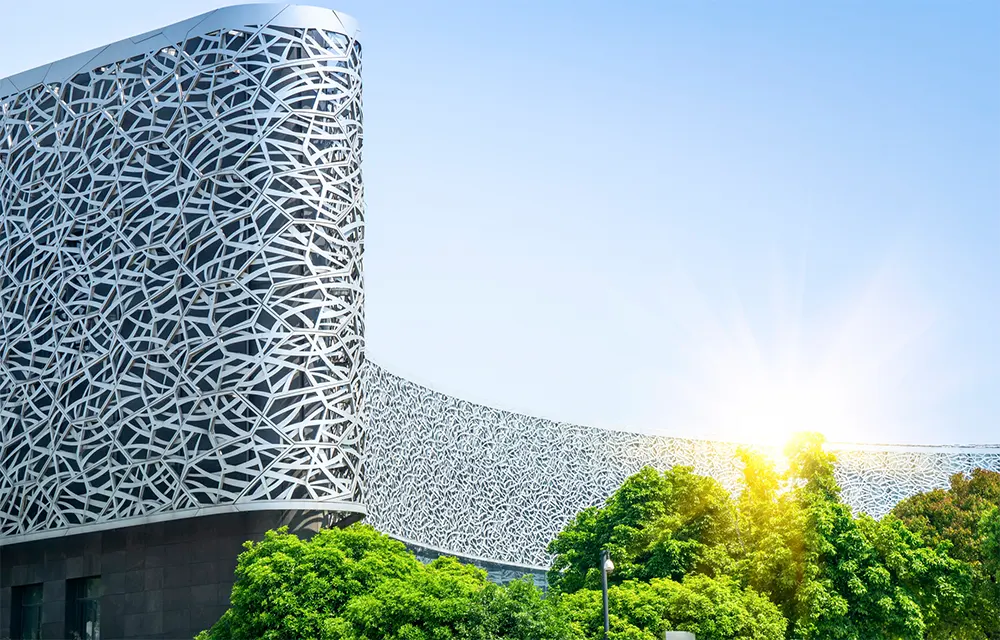
In modern architecture, the facade of a building is more than a visual statement, it is a critical component of the building envelope that influences thermal performance, structural integrity, moisture control, and occupant comfort. However, facades are also one of the most vulnerable parts of a building to wear, environmental stress, and construction defects. As buildings age, or even during post-construction evaluations, facade diagnostics plays a vital role in identifying structural and performance issues before they evolve into more serious problems.
This article explores the importance of facade diagnostics in today’s construction and maintenance practices, outlines common issues that façade diagnostics reveal, and explains the advanced techniques used to inspect facades effectively. By understanding this critical aspect of building envelope engineering, property owners, engineers, and facility managers can ensure long-term building performance and durability.
Why Facade Diagnostics Matter
The facade is the first line of defense against external elements such as wind, rain, sunlight, and temperature fluctuations. If the facade fails, it can compromise not only the building’s appearance but also its structural safety, energy efficiency, and indoor air quality.
Key Reasons to Conduct Facade Diagnostics:
- Early Detection of Structural Damage: Small cracks or deformation can signal deeper structural problems.
- Energy Efficiency: façade diagnostics help identify areas where air leakage or thermal bridging occurs, causing higher energy bills.
- Prevent Moisture Intrusion: Water ingress through the facade can cause mold growth, material deterioration, and indoor humidity issues.
- Compliance and Safety: Regular facade diagnostics are often part of local building codes, particularly for high-rise buildings and public facilities.
Common Facade Issues Uncovered During Façade Diagnostics
A well-performed facade diagnostic can uncover a range of structural and performance-related issues. These issues, if left unchecked, can significantly affect the building’s integrity and operational cost.
- Cracking and Delamination
Cracks may appear due to thermal expansion, foundation settlement, or material fatigue. Delamination often occurs when facade layers separate, especially in composite panel systems.
- Water Penetration
Water ingress is one of the most damaging issues in facade systems. It typically occurs through unsealed joints, window perimeters, or failed flashing. Over time, it leads to corrosion, mold growth, and structural weakening.
- Air Leakage and Thermal Bridging
Undetected gaps in insulation, poorly sealed joints, and flawed material interfaces contribute to air leakage and thermal bridging key factors behind poor energy performance.
- Material Deterioration
Natural weathering, UV exposure, and pollution can degrade materials like sealants, stone cladding, or metal panels. Rust, chalking, and surface erosion are common indicators.
- Improper Installation or Design Flaws
Facade elements improperly installed during construction or design decisions that do not account for building movement, drainage, or thermal performance can result in premature failures.
- Structural Deformation
Facade bulging or bowing may point to underlying structural issues. Such movements are sometimes caused by inadequate support systems, anchorage failure, or seismic activity.
Techniques and Tools Used in Facade Diagnostics
Modern facade diagnostics employ a blend of traditional inspection methods and high-tech tools to evaluate both visible and hidden defects.
- Visual Inspection
This remains the first step and involves a thorough review of the building’s exterior surfaces from ground level, scaffoldings, or swing stages. Inspectors look for obvious signs of cracking, misalignment, or staining.
- Rope Access and Aerial Drones
Rope access technicians and drones equipped with high-resolution cameras allow close-up inspections of high-rise facades that would otherwise be difficult to access safely and affordably.
- Infrared Thermography
Thermal imaging cameras detect heat patterns and anomalies in facade systems, helping locate thermal bridges, air leaks, and water infiltration paths without invasive procedures.
- Moisture Meters and Probes
These tools help pinpoint moisture levels within facade assemblies. High moisture readings often confirm suspected leaks or trapped condensation.
- Borescopes and Endoscopes
These minimally invasive cameras can be inserted into small facade cavities to inspect inner layers, anchor systems, and joint conditions.
- Structural Load Testing
If structural integrity is in question, engineers may conduct load testing to assess the strength and performance of facade elements under simulated stress conditions.
Integrating Façade Diagnostics into Building Management
Facade diagnostics should not be a one-off activity but part of a comprehensive building management strategy. Whether for newly constructed buildings or those decades old, incorporating facade assessment into regular maintenance ensures continuous performance and risk mitigation.
Suggested Approaches:
- Routine Inspections: Schedule façade inspections every 5–7 years or as required by local code.
- Digital Record Keeping: Maintain reports, images, and thermal scans for tracking degradation trends over time.
- Immediate Remediation: Address diagnosed issues promptly before they lead to costly repairs or safety hazards.
- Plan for Retrofits: Use façade diagnostic findings to support envelope upgrades that improve energy performance and sustainability.
The Role of Facade Engineering Professionals
Facade diagnostics is a highly specialized field that benefits from the expertise of facade engineers. These professionals bring a deep understanding of how materials, environmental factors, and structural dynamics interact at the building envelope level.
How They Add Value:
- Holistic Assessments: They examine how the facade interacts with structural systems, HVAC, and waterproofing elements.
- Customized Solutions: Based on findings, they recommend targeted repairs or retrofits that suit the specific materials and design of the building.
- Regulatory Compliance: Ensure inspection processes meet building code requirements and safety regulations.
Future of Facade Diagnostics
As smart technologies and sustainability targets evolve, so does facade diagnostics. The future promises more automation, predictive maintenance, and data integration.
Innovations on the Horizon:
- AI-Driven Image Analysis: Machine learning to detect facade defects through drone footage.
- Digital Twins: Creating digital replicas of facade systems to simulate aging, stress, and failure scenarios.
- Embedded Sensors: Real-time monitoring of moisture, movement, and temperature in facade assemblies.
Conclusion
Facade diagnostics is a cornerstone of responsible building management and modern construction quality assurance. By proactively identifying structural and performance issues, building owners and engineers can preserve not only the aesthetic appeal of a property but also its safety, energy efficiency, and longevity.
Whether you’re managing a commercial high-rise, a heritage building, or a newly built facility, comprehensive facade diagnostics ensures you’re ahead of potential problems. For expert facade inspection, performance evaluation, and maintenance planning, contact our team to discuss how we can support your project with precise and reliable building envelope engineering services.