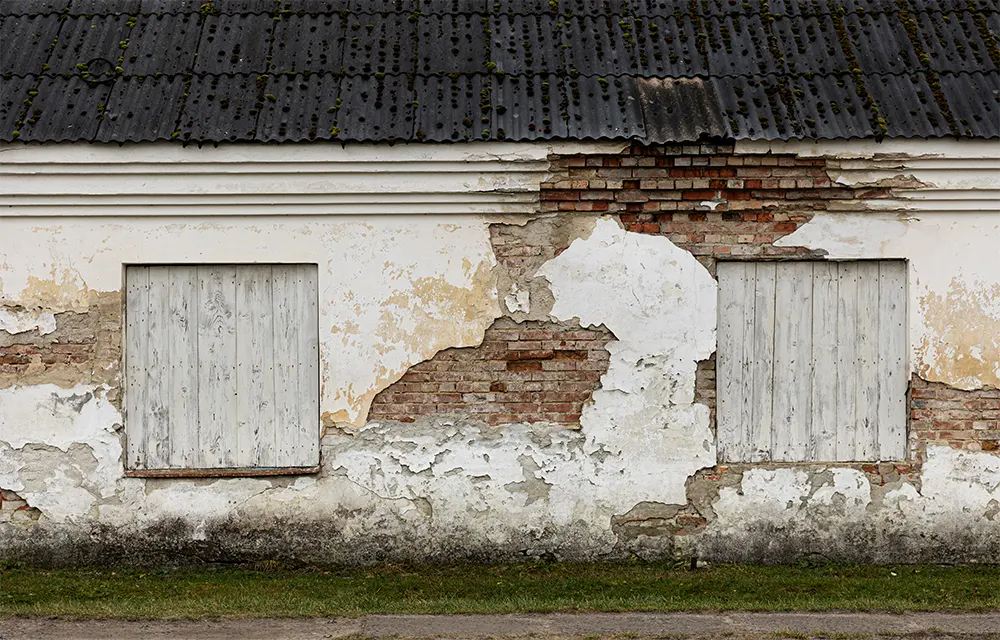
Modern architecture faces one of its greatest challenges in designing façades that can endure extreme weather conditions while maintaining performance, aesthetics, and sustainability. As climate change increases the frequency and intensity of storms, heatwaves, heavy rainfall, and freezing temperatures, the demand for resilient façade engineering has never been greater.
The façade (often referred to as the building’s first line of defense) must balance durability, energy efficiency, and adaptability to protect occupants and maintain structural integrity. In this article, we explore how façade engineers design, test, and optimize building envelopes to withstand harsh environments while supporting sustainable and efficient building performance.
The Importance of Weather-Resistant Façade Engineering
Extreme weather condition can cause significant damage to building exteriors, leading to issues such as water infiltration, material degradation, thermal inefficiency, and even structural failure. Façade engineering plays a crucial role in mitigating these risks through a blend of advanced materials, precise design, and performance testing.
A weather-resilient façade doesn’t just survive the environment it interacts with it intelligently. It controls airflow, moisture, solar radiation, and temperature differentials to ensure both protection and comfort. In regions prone to hurricanes, typhoons, or snowstorms, façade engineers must also design for wind pressure, debris impact, and freeze-thaw cycles, ensuring the structure’s long-term stability.
Understanding the Environmental Forces Acting on Façades
Before delving into design strategies, it’s essential to understand the types of environmental stressors that façades face:
- Wind Loads:
High-speed winds exert positive and negative pressure on façades, particularly in tall buildings. Poorly designed façades can suffer from cladding detachment or window breakage during extreme gusts. - Rain and Moisture:
Wind-driven rain, condensation, and humidity can penetrate poorly sealed joints, leading to corrosion, mold, and insulation failure. - Temperature Extremes:
Constant thermal expansion and contraction cause materials to fatigue and seals to degrade. - Solar Radiation:
UV exposure can deteriorate finishes, discolor materials, and increase cooling loads. - Snow, Ice, and Hail:
Heavy snow accumulation or ice formation can overload structural supports or cause water ingress during thawing.
Understanding these forces allows façade engineers to design systems that perform predictably and reliably under stress.
Core Design Principles for Façades in Extreme weather condition
Resilient façade engineering integrates science, technology, and design to ensure performance under diverse environmental conditions. The following principles form the foundation of robust façade design.
- Structural Integrity and Load Resistance
In regions prone to strong winds or seismic activity, façade engineers reinforce the structural system with:
- Anchoring systems designed to transfer wind loads safely to the building frame
- Flexible joints and fixings that accommodate movement without cracking or detachment
- Impact-resistant glazing systems, especially in cyclone or hurricane zones
Engineers often use wind tunnel testing and computational fluid dynamics (CFD) to simulate real-world stress on façade systems, optimizing their geometry and anchoring design.
- Moisture and Water Ingress Control
One of the most common façade failures in extreme weather conditions is water penetration. Advanced waterproofing strategies include:
- Pressure-equalized rainscreen systems that prevent water from entering by balancing air pressure
- Continuous air and vapor barriers behind cladding layers
- Properly designed drainage channels to direct moisture away from vulnerable areas
For coastal regions or areas with heavy rainfall, corrosion-resistant materials like aluminum, stainless steel, or composite panels are often preferred.
- Thermal and Solar Performance Optimization
Extreme heat or cold significantly impacts building performance. A well-engineered façade helps maintain thermal equilibrium by:
- Incorporating high-performance insulation materials such as mineral wool or rigid foam boards
- Using low-emissivity (Low-E) glass to reflect infrared radiation
- Implementing dynamic shading systems (like louvers or smart glass) that adapt to sunlight intensity
Façade engineers use building physics modeling to evaluate how thermal bridging, airflow, and solar gain affect overall energy consumption.
- Material Selection for Durability and Resilience
Material performance is critical in ensuring long-term façade integrity. Materials must resist UV radiation, corrosion, and freeze-thaw damage while maintaining aesthetic appeal. Commonly used materials for extreme climates include:
- Fiber-reinforced concrete panels for strength and moisture resistance
- High-pressure laminates (HPL) with UV-resistant coatings
- Aluminum composite panels with corrosion-resistant finishes
- Engineered glass capable of withstanding high impact and temperature variation
Selecting materials with proven weathering performance extends façade lifespan and reduces maintenance costs.
- Ventilation and Condensation Control
Condensation is a hidden threat in extreme climates, especially in cold or humid regions. Engineers incorporate ventilated cavities and moisture barriers to prevent interstitial condensation within wall assemblies.
Modern façades often integrate hygrothermal modeling to simulate temperature and moisture movement through different layers, allowing engineers to optimize performance before construction begins.
Innovations in Façade Engineering for Climate Resilience
Technological advancements have transformed how façades respond to extreme weather condition. Some cutting-edge solutions include:
Dynamic and Adaptive Façades
Smart façades adjust their behavior based on environmental conditions. They use automated sensors and actuators to control shading, ventilation, and heat gain dynamically.
Self-Healing Materials
Research into polymers and coatings that automatically repair microcracks or restore water repellency after damage shows promise for enhancing long-term façade resilience.
Parametric and Digital Design
Using parametric modeling tools, façade engineers can simulate and optimize façade performance across multiple scenarios (wind, rain, solar exposure) before fabrication begins.
Photovoltaic (PV) Integration
In regions with high solar exposure, building-integrated photovoltaics (BIPV) turn façades into power generators, combining energy efficiency with environmental protection.
Testing and Validation for Extreme Weather condition Performance
Façade systems undergo rigorous laboratory and field testing to verify their resistance to environmental stress. Typical tests include:
- Wind load and impact resistance testing
- Air and water infiltration testing
- Thermal cycling and condensation testing
- Accelerated weathering and UV exposure tests
Certified laboratories simulate real-life extreme conditions to ensure façades meet or exceed regional codes and international standards such as ASTM, EN, and AS/NZS.
Maintenance: The Key to Long-Term Performance
Even the most advanced façade systems require regular inspection and maintenance to remain effective under extreme weather condition. Façade diagnostics (using thermal imaging, moisture sensors, and drone-based inspections) helps detect early signs of deterioration, enabling proactive repair before costly failures occur.
Establishing a preventive maintenance program ensures that sealants, coatings, and fasteners continue performing as designed throughout the façade’s lifespan.
The Future of Resilient Façade Engineering
The future of façade engineering lies in data-driven resilience. Through the integration of smart sensors, digital twins, and AI-based monitoring systems, building envelopes are evolving into intelligent ecosystems that continuously assess and adapt to changing environmental conditions.
Sustainability will also remain a core focus, with greater emphasis on recyclable materials, embodied carbon reduction, and energy-generating façades that contribute to net-zero building goals.
Conclusion
Façade engineering for extreme weather conditions requires a multidisciplinary approach that merges structural design, materials science, building physics, and environmental modeling. A resilient façade not only protects buildings but also enhances comfort, efficiency, and longevity.
By prioritizing performance and innovation, engineers are shaping building envelopes capable of thriving in the face of nature’s most demanding challenges.
To ensure your building façade is engineered for durability, safety, and climate resilience, get in touch with our, façade engineering specialists for expert consultation and design solutions tailored to your environment.