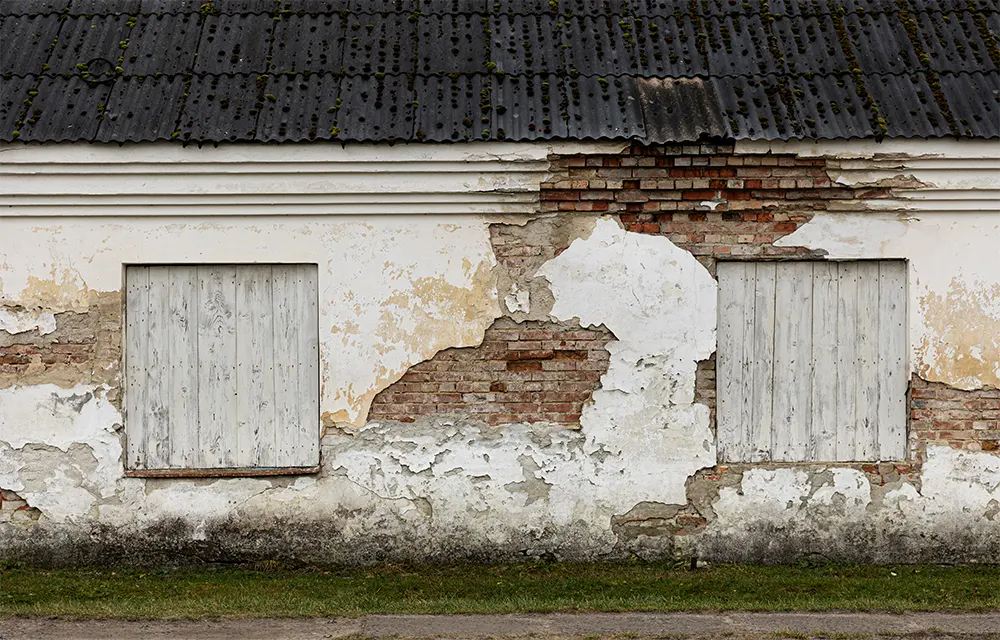
Façades are more than architectural showpieces, they are critical components of a building’s performance and safety. A well-designed façade must withstand environmental stresses, provide thermal comfort, and protect against hazards like water penetration and wind pressure. However, façades are also among the most vulnerable parts of buildings, and failures can lead to severe consequences, from costly repairs to occupant safety risks.
To minimize these risks, façade performance testing has become an essential practice in modern construction. By rigorously testing façades before, during, and after installation, engineers and consultants can identify weaknesses early and ensure long-term reliability.
What Is Façade Performance Testing?
Façade performance testing refers to a series of standardized tests conducted on building envelopes to evaluate their ability to resist environmental loads, ensure durability, and maintain occupant safety. These tests are performed in both laboratory and field conditions to simulate real-world challenges such as wind, rain, air pressure, and temperature fluctuations.
The ultimate goal is to ensure safety before failures occur, giving building owners confidence that the structure meets design specifications and regulatory standards.
Why Façade Performance Testing Matters
Façade failures are not only expensive but also hazardous. Common problems like water leakage, structural cracking, or detachment of cladding can compromise the integrity of the entire building.
Key reasons façade performance testing is critical include:
- Preventing Water Ingress: Water penetration through façades can cause mold growth, corrosion, and structural damage.
- Ensuring Energy Efficiency: Air leakage testing verifies that façades support thermal comfort and minimize energy loss.
- Compliance with Building Codes: Many regions require proof of façade safety before issuing occupancy permits.
- Protecting Occupant Safety: Testing ensures that façade materials and systems remain secure under high wind or seismic loads.
- Reducing Long-Term Costs: Early detection of weaknesses prevents expensive remedial work in the future.
Types of Façade Performance Testing
Façade performance testing covers a wide range of tests designed to simulate real-world conditions:
- Water Penetration Testing
This test evaluates the façade’s ability to resist water infiltration under simulated wind and rain conditions. It is crucial for preventing interior damage and mold growth. - Air Leakage Testing
By measuring airflow through the façade under pressure differences, engineers assess energy efficiency and thermal comfort levels. - Structural Load Testing
Façades must withstand wind loads, seismic activity, and other forces. Load tests confirm that the cladding system can resist these stresses without failure. - Impact Resistance Testing
This test ensures façades can resist impacts from debris, particularly in regions prone to extreme weather events or urban blast risks. - Thermal Cycling Tests
By exposing façades to repeated heating and cooling cycles, engineers evaluate material expansion, contraction, and long-term durability. - Acoustic Performance Testing
In urban environments, façades must reduce external noise. Acoustic tests confirm that façades meet sound insulation requirements.
Laboratory vs. On-Site Testing for Façade Performance Testing
Façade performance testing occurs in two main environments:
- Laboratory Testing: Conducted before installation, lab tests use full-scale mock-ups of façades to replicate extreme environmental conditions. This stage identifies weaknesses early in the design process.
- On-Site (Field) Testing: Performed after installation, field tests ensure that the façade was installed correctly and performs as expected under actual site conditions.
Both testing methods are complementary and provide confidence that the façade will perform reliably throughout its lifecycle.
Challenges in Façade Performance Testing
Despite its importance, façade performance testing presents challenges:
- Cost and Time: Full-scale mock-ups and field tests require significant resources.
- Complex Systems: Modern façades incorporate advanced glazing, shading devices, and smart technologies, making testing more complex.
- Evolving Standards: Engineers must stay updated with international testing protocols such as ASTM, EN, and AS/NZS standards.
However, the investment in testing pays off by preventing failures that could result in far higher financial and safety costs.
Advancements in Façade Performance Testing Technologies
Recent innovations are enhancing the accuracy and scope of façade performance testing:
- Digital Twin Simulations: Allow predictive modeling of façade performance over decades.
- Infrared Thermography: Identifies thermal bridges and insulation gaps without invasive procedures.
- Drone-Based Inspections: Enable safe and cost-effective assessment of façades on tall buildings.
These technologies complement traditional testing methods, providing deeper insights into façade performance.
Conclusion
Façade performance testing is an indispensable step in ensuring that building envelopes are safe, efficient, and durable. By identifying weaknesses before failures occur, testing safeguards occupants, protects investments, and helps buildings meet rigorous regulatory standards.
For property developers, contractors, and building owners, investing in façade performance testing is not just about compliance, it is about securing long-term performance and peace of mind.
If you are seeking expert façade diagnostics and façade engineering or façade performance testing services, our team can provide the technical expertise and advanced testing solutions needed to ensure your building façade performs as intended. Contact us today to learn more.