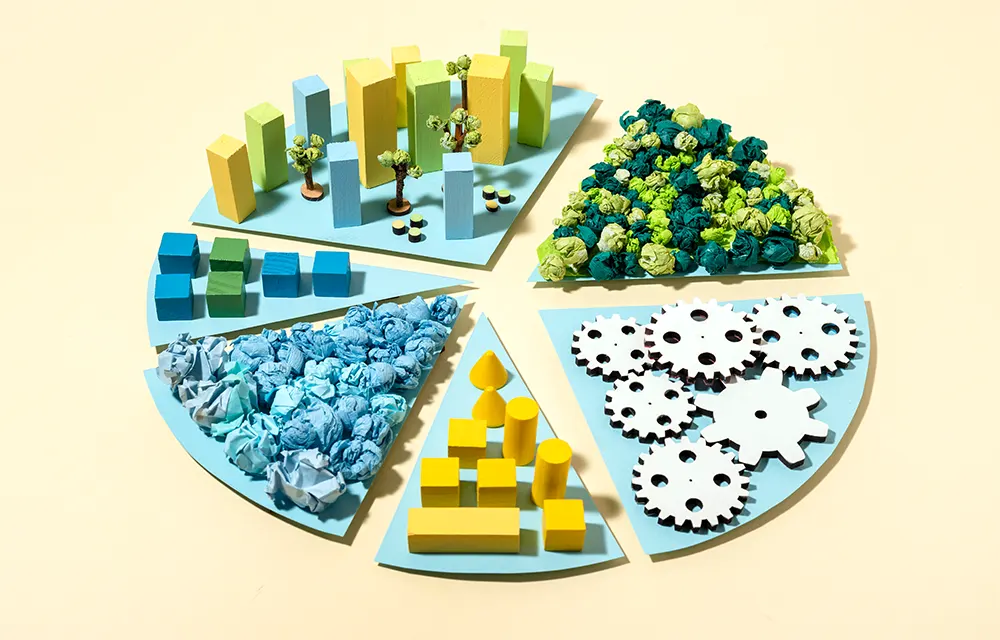
Reducing the carbon footprint of buildings has become a top priority in the construction and architectural sectors. As the demand for sustainable development grows, green building services have emerged as a crucial solution. These services not only minimize environmental impact but also offer long-term economic benefits. In this article, we will explore how green building practices significantly reduce carbon footprints and why they are essential for modern construction.
- Sustainable Building Materials
One of the primary ways to reduce carbon emissions in construction is through the use of sustainable materials.
Strategies:
- Opt for renewable resources like bamboo, recycled steel, and reclaimed wood
- Use low-emission materials such as low-VOC paints and finishes
- Incorporate green insulation materials like sheep’s wool and cellulose
Benefits:
- Decreased carbon emissions during manufacturing
- Enhanced indoor air quality due to reduced off-gassing
- Longevity and durability reducing the need for replacements
- Energy-Efficient Building Design
Energy efficiency lies at the core of green building practices. Efficient energy use drastically reduces a building’s carbon footprint.
Key Practices:
- Passive solar design to maximize natural heating and lighting
- Installation of energy-efficient windows and doors
- Utilizing advanced HVAC systems to reduce energy consumption
Benefits:
- Lower utility bills
- Reduced reliance on fossil fuels
- Enhanced occupant comfort through climate-responsive design
- Renewable Energy Integration
Incorporating renewable energy sources into building design further cuts down carbon emissions.
Solutions:
- Solar panel installations for electricity generation
- Wind turbines for large commercial buildings
- Geothermal systems for heating and cooling
Benefits:
- Significant reduction in carbon-based energy consumption
- Potential to achieve net-zero energy status
- Long-term energy independence
- Water Efficiency and Management
Reducing water use also contributes to lowering the carbon footprint, as water processing is energy-intensive.
Techniques:
- Rainwater harvesting systems
- Low-flow plumbing fixtures
- Greywater recycling for landscaping
Benefits:
- Reduced water waste
- Lower energy consumption related to water heating and treatment
- Conservation of natural resources
- Smart Building Technologies
Implementing smart technologies enhances energy management and overall efficiency.
Examples:
- Automated lighting systems that reduce energy use when not needed
- Smart thermostats that optimize HVAC operations
- Real-time energy monitoring to identify inefficiencies
Benefits:
- Precise control over energy consumption
- Reduction in unnecessary energy use
- Better data for improving building performance
- Waste Reduction and Recycling
Managing construction waste effectively is vital in minimizing the carbon footprint of building projects.
Methods:
- On-site recycling of construction debris
- Prefabrication to reduce material waste
- Designing with modular components for easy reuse
Benefits:
- Less landfill contribution
- Conservation of raw materials
- Lower embodied energy in construction
- Enhancing Building Lifespan
Buildings designed with longevity in mind minimize the environmental impact associated with demolition and reconstruction.
Best Practices:
- Use durable, weather-resistant materials
- Design adaptable spaces for future needs
- Implement regular maintenance protocols
Benefits:
- Reduced need for new construction
- Conservation of resources over the building’s life cycle
- Long-term economic savings
Conclusion
Green building services are essential in the fight against climate change, as they offer practical solutions to minimize the carbon footprint of modern buildings. By adopting sustainable practices, incorporating renewable energy, and utilizing energy-efficient designs, the construction industry can significantly reduce its environmental impact. Embracing these practices not only benefits the planet but also enhances building performance and reduces operational costs. For expert Green Building Services services, contact our team today.