
Moisture is one of the greatest threats to any building’s durability, performance, and overall health. Even the most advanced architectural design or structural engineering can be compromised if water intrusion, condensation, or humidity are not properly managed. The building envelope (the physical barrier between the interior and exterior environments) plays a crucial role in defending against these threats.
In this article, we’ll explore why moisture control in building envelopes is vital, what common sources of moisture intrusion are, and the best practices engineers, architects, and building owners can implement to ensure structures remain safe, energy-efficient, and long-lasting.
The Importance of Moisture Control in Building Envelopes
The building envelope is not just about walls and roofing, it is a comprehensive system that includes walls, roofs, foundations, windows, and doors. Its purpose is to resist external environmental factors such as wind, temperature fluctuations, and, most critically, moisture.
Without effective moisture control, buildings face:
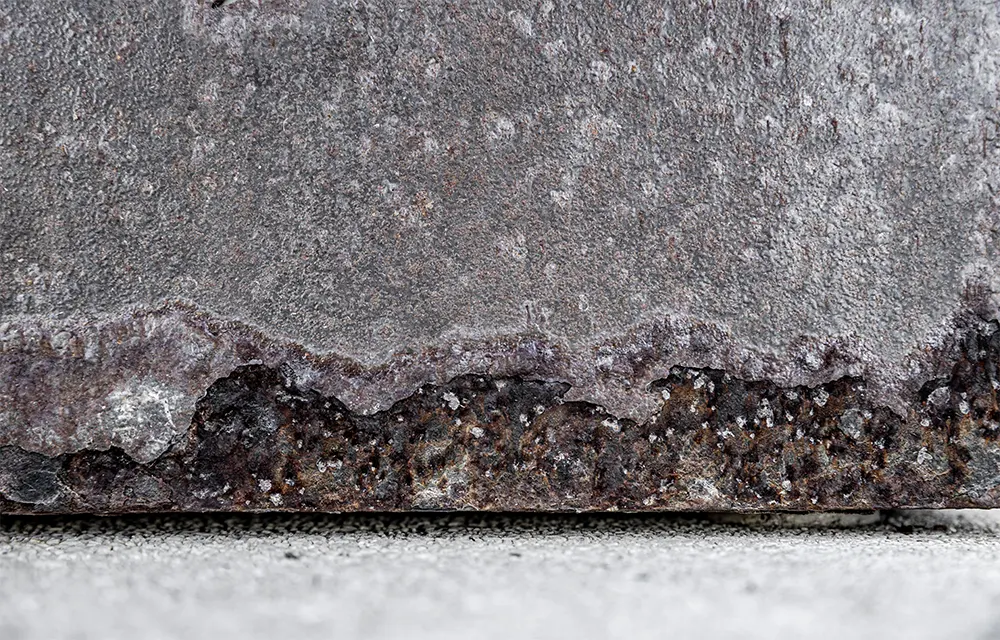
- Structural deterioration: Prolonged exposure to water causes corrosion of steel, decay of wood, and spalling of concrete.
- Energy inefficiency: Moisture reduces insulation performance, leading to higher heating and cooling costs.
- Health risks: Damp conditions foster mold and mildew, which impact indoor air quality.
- Aesthetic issues: Staining, efflorescence, and cracking diminish a building’s appearance.
Moisture control is, therefore, not an optional consideration, it is a core design and maintenance requirement for modern construction and building envelopes.
Common Sources of Moisture Problems for Moisture Control
Understanding how water enters or forms within a building envelope is the first step to prevention. Moisture problems typically originate from three main sources:
- Rainwater Penetration
Driving rain, especially in windy climates, can penetrate through gaps in façades, poorly sealed joints, or defective cladding. Even small leaks can accumulate and cause significant hidden damage.
- Groundwater and Capillary Action
Moisture from the soil can migrate upward through foundation walls and slabs. Without proper waterproofing and drainage, capillary rise can lead to long-term structural deterioration.
- Condensation
Perhaps the most insidious source, condensation occurs when warm, moist air meets cold surfaces within the envelope. This is particularly problematic in climates with extreme seasonal changes or in airtight buildings without sufficient ventilation.
Effective Principles for Moisture Control
To design and maintain a moisture-resistant building envelope, engineers and architects rely on three fundamental and effective principles:
- Keep Water Out
The first line of defense involves preventing water ingress through cladding systems, roofing, and joints. Quality materials and precise construction techniques are essential here.
- Control and Manage Water
Since no system is 100% impermeable, it is critical to control the water that enters by directing it away from sensitive areas. Drainage paths, weep holes, and vapor-permeable membranes allow buildings to manage moisture effectively.
- Drying and Evaporation
Any residual moisture must be allowed to dry naturally without being trapped. Ventilation cavities, breathable insulation, and vapor-open materials are key to enabling safe evaporation.
Best Practices for Moisture Control in Building Envelopes
With these moisture control principles in mind, several proven strategies ensure effective moisture control:
- High-Performance Roofing and Flashing Systems
Roofing is the most exposed element of the moisture control building envelope. Using multi-layer waterproof membranes, durable flashing details, and regular inspection schedules ensures rainwater does not infiltrate into the building structure.
- Proper Wall Assemblies
Walls must integrate weather-resistive barriers (WRBs), drainage planes, and appropriate cladding systems. Modern rainscreen designs are particularly effective, as they create an air gap that allows both drainage and drying.
- Foundation Waterproofing and Drainage
Below-grade structures require waterproof coatings, perimeter drainage systems, and vapor barriers. Effective site grading ensures water is directed away from foundations.
- Condensation Control Strategies
Using thermal breaks, continuous insulation, and vapor retarders minimizes the risk of condensation forming within the envelope. Building physics analysis helps determine the correct balance of materials based on climate.
- Window and Door Sealing
Windows and doors are common weak points in moisture control for building envelopes. Proper flashing, sealants, and frame design are essential to prevent leakage while allowing movement due to thermal expansion.
- Material Selection
Durable, water-resistant materials (such as treated timber, stainless steel, or moisture-resistant gypsum boards) extend the service life of the building envelope. Choosing compatible materials prevents issues such as galvanic corrosion or joint failure.
- Regular Inspections and Maintenance
Even the best-designed building envelopes can fail moisture control without ongoing monitoring in moisture control. Facade diagnostics, thermal imaging, and moisture mapping help detect hidden moisture issues before they escalate.
The Role of Building Physics in Moisture Control
Building physics plays a pivotal role in predicting how heat, air, and moisture move through materials and assemblies. Engineers use hygrothermal analysis to model how water vapor and temperature interact within building envelopes.
This analysis ensures that insulation, membranes, and finishes are placed in the correct sequence to prevent condensation and to maximize drying potential. For instance, in cold climates, vapor barriers are often placed on the warm side of insulation, whereas in hot-humid climates, more vapor-permeable systems may be required.
Case Example: Moisture Failure in Façades
A common example of poor moisture control is EIFS (Exterior Insulation and Finish Systems) failure in North America. Many installations in the 1990s lacked drainage cavities, trapping water behind the façade. This led to widespread decay, mold issues, and costly lawsuits.
The lesson learned: drainage and ventilation are as critical as waterproofing. Today’s best-practice systems include rainscreen gaps and ventilated cladding to avoid similar failures.
Moisture Control and Sustainability
Moisture control is not only about durability, it also directly affects sustainability. A compromised building envelope consumes more energy due to reduced insulation efficiency. Furthermore, repairing water-damaged structures requires additional materials and resources, increasing the environmental footprint.
By prioritizing moisture control, building professionals contribute to green building, more energy-efficient, and longer-lasting structures.
Conclusion
Moisture may be invisible at first, but its impact on buildings is undeniable. Effective moisture control in building envelopes is essential to safeguard structural integrity, protect occupants’ health, and extend the lifespan of buildings. By applying best practices (from advanced roofing systems to hygrothermal modeling) engineers and architects can create buildings that resist moisture intrusion, manage inevitable water exposure, and allow safe drying.
If you want to ensure your project has a resilient, high-performance building envelope and moisture control systems that can withstand moisture challenges for decades, contact us today to speak with our engineering experts.


