
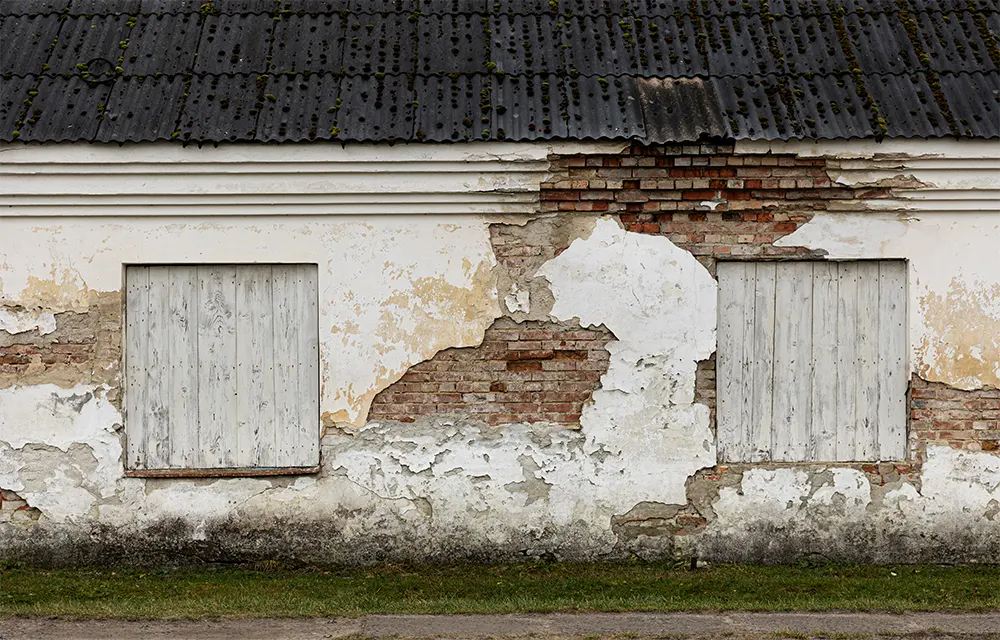
A building’s façade is more than its architectural expression, it serves as the first line of defense against environmental forces such as wind, rain, and temperature changes. One of the most critical yet often overlooked aspects of façade design is drainage management.
When a façade fails to properly channel and discharge water, the consequences can be severe. Water infiltration, material degradation, corrosion, and even structural failure can result from poorly designed or maintained drainage systems. In modern façade engineering, ensuring proper moisture management is fundamental to preserving both aesthetic quality and structural integrity.
This article explores how poor façade drainage impacts building performance, the science behind moisture-related failures, and best practices for preventing costly damage.
Understanding Façade Drainage Systems
A façade drainage system is designed to manage rainwater, condensation, and moisture that accumulates on or within building envelopes. It typically includes weep holes, flashings, sealants, pressure-equalized cavities, and sub-sill drainage layers that work together to direct water safely away from structural components.
In high-performance façade systems (especially curtain walls, rainscreens, and cladding assemblies) drainage plays a vital role in ensuring that water does not become trapped behind panels or within cavities.
The primary objectives of an effective façade drainage system include:
- Collecting water that penetrates the outer surface
- Redirecting it through controlled pathways
- Expelling it safely without damaging adjacent materials
When this process fails, even small quantities of retained moisture can cause significant and progressive damage over time.
How Poor Façade Drainage Compromises Structural Integrity
- Water Infiltration and Hidden Moisture Damage
The most immediate consequence of poor façade drainage is water infiltration, the entry of water into building components where it should not be.
Trapped moisture can penetrate insulation, wall assemblies, or connection joints, leading to:
- Material swelling or warping, especially in wood or composite cladding
- Loss of insulation performance, increasing energy costs
- Mold and mildew growth, posing health and air quality risks
- Freeze-thaw cycles, causing cracking or spalling in masonry and concrete
Over time, this hidden moisture undermines the façade’s performance and compromises its ability to protect the building envelope.
- Corrosion of Structural Components
When water is retained near metal anchors, fasteners, or support frames, corrosion can develop, gradually weakening load-bearing connections.
In aluminum and steel-framed façades, inadequate drainage can lead to:
- Galvanic corrosion, where dissimilar metals react under moisture exposure
- Rusting of anchors, reducing load-bearing capacity
- Failure of façade panels or glazing units, as fixing points lose strength
This corrosion is often hidden behind cladding panels, meaning damage may go unnoticed until visible façade failures occur.
- Deterioration of Sealants and Joints
Façade systems rely heavily on sealants, gaskets, and adhesives to maintain weatherproofing. When drainage paths are obstructed, prolonged exposure to standing water accelerates the degradation of these materials.
Consequences include:
- Loss of air and water tightness
- Increased air leakage, leading to condensation and thermal inefficiency
- Reduced noise insulation, impacting occupant comfort
Over time, compromised sealants can allow water to penetrate deeper into the assembly, triggering a chain reaction of failures.
- Structural Load Redistribution and Stress Concentration
When water accumulates in areas not designed to carry weight (such as behind cladding panels or within glazing cavities) it can create hydrostatic pressure that exerts unexpected loads on structural components.
This can cause:
- Panel deformation or displacement
- Cracked façades and glazing units
- Joint separation or detachment from anchors
In extreme cases, this can escalate to partial façade collapse, particularly in older buildings where the supporting structure is already weakened.
- Aesthetic and Material Degradation
Even before structural issues arise, poor façade drainage often manifests as staining, efflorescence, and discoloration on façade surfaces. These visible symptoms not only affect the building’s appearance but also signal deeper internal damage.
Repeated wetting and drying cycles can cause:
- Surface erosion and fading in porous materials
- Cracking of protective coatings or paints
- Mineral deposits that indicate moisture migration through the façade
Such deterioration reduces the building’s aesthetic value and may require expensive restoration work.
Common Causes of Poor Façade Drainage
Understanding the sources of façade drainage failure helps in preventing them through better design and maintenance.
- Design Oversights
Many poor façade drainage stem from inadequate attention during the design phase. Common issues include:
- Missing or poorly sized weep holes and flashings
- Incorrect slope gradients preventing water flow
- Lack of redundancy in multi-layered façade systems
Design coordination between architects, façade engineers, and contractors is essential to avoid such issues.
- Blocked or Obstructed Drainage Paths
Debris, sealant overflow, or poorly maintained cavities can block drainage channels. Over time, this allows water to accumulate inside the façade assembly, leading to hidden moisture buildup and corrosion.
Regular façade inspections are crucial to detect and remove obstructions before they cause structural damage.
- Inadequate Detailing at Joints and Penetrations
Joints, window interfaces, and service penetrations are common weak points for water entry. If these details are not properly sealed and flashed, even minor rain events can introduce moisture into the façade system.
Ensuring proper integration between façade panels, glazing units, and insulation layers is vital for drainage continuity.
- Poor Construction Practices
Even the best designs fail when not executed correctly. Common installation errors include:
- Improperly installed flashings or membranes
- Misalignment of façade panels preventing water flow
- Use of incorrect materials or adhesives
Quality assurance during construction, including façade performance testing, helps verify that systems perform as intended.
Best Practices for Effective Façade Drainage Design
- Integrate Drainage into the Early Design Stage
Poor façade drainage systems should be considered from the conceptual phase, not added later as a fix. Early coordination ensures effective cavity design, flashing layout, and weep hole positioning. - Use Pressure-Equalized Rainscreen Systems
These systems balance air pressure between the exterior and the cavity, minimizing water ingress and allowing any intruding moisture to drain effectively. - Incorporate Continuous Flashing and Weep Holes
Properly detailed flashings redirect water to safe exit points, while weep holes ensure moisture doesn’t remain trapped within cavities. - Regular Maintenance and Inspection
Routine façade inspections detect blocked drainage paths, deteriorating sealants, or early signs of corrosion, allowing timely intervention. - Conduct Façade Diagnostic Testing
Advanced tools such as thermal imaging, moisture mapping, and electronic leak detection (ELD) can help identify hidden moisture accumulation within the façade system. - Material Compatibility and Durability
Selecting corrosion-resistant metals, UV-stable sealants, and non-absorbent materials enhances drainage reliability and façade lifespan.
The Role of Façade Engineers in Drainage Design
Façade engineering play a vital role in ensuring that façade drainage systems are both effective and durable. Their expertise includes:
- Designing integrated cavity systems for controlled water management
- Assessing risks of condensation and moisture ingress through simulation tools
- Specifying materials and detailing joints for long-term weatherproofing
By combining engineering precision with architectural intent, façade engineers safeguard the building envelope from the destructive power of water.
Conclusion
Poor façade drainage may appear minor at first, but its consequences can compromise structural integrity, occupant safety, and building value. From corrosion and mold to façade collapse, water mismanagement poses both technical and financial risks.
Through careful design, regular maintenance, and advanced diagnostics, engineers and building owners can prevent these issues and extend the service life of their façades.
For expert façade diagnostics, drainage assessment, and performance diagnostics, contact our team to ensure your building remains dry, durable, and structurally sound for decades to come.


