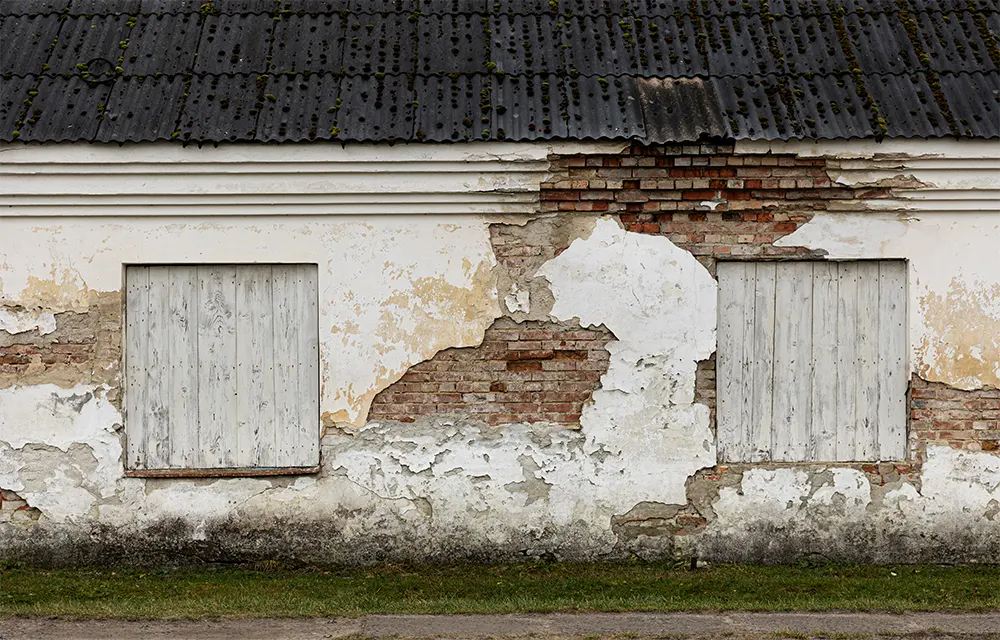
Façades are among the most critical components of modern buildings, responsible for aesthetics, thermal performance, weather resistance, and occupant comfort. However, because façades are exposed to harsh environmental conditions, they are also prone to deterioration and failures that can affect building safety and longevity. Traditionally, diagnosing façade issues relied on physical inspections, thermal imaging, or intrusive testing.
Today, the rise of digital twin technology is transforming façade diagnostics, offering real-time insights, predictive capabilities, and long-term performance monitoring. This article explores how digital twins in façade diagnostics is a revolutionizing façade engineering technique, and why they are becoming indispensable in modern construction and maintenance strategies.
What Are Digital Twins?
A digital twin is a virtual replica of a physical asset that integrates data from sensors, building information modeling (BIM), and real-time monitoring systems. It allows engineers to track how a structure behaves under various conditions, predict future performance, and simulate potential interventions before applying them in the real world.
For façades, digital twins provide a comprehensive model that captures not only the geometry and design but also the material properties, environmental conditions, and performance data collected during the building’s lifecycle.
Why Use Digital Twins in Façade Diagnostics
Façade diagnostics aim to identify structural and performance issues such as thermal bridging, water infiltration, air leakage, or material degradation. While traditional methods can uncover these problems, they are often time-consuming, costly, and sometimes disruptive to building operations.
Digital twins in façade diagnostics address these challenges by:
- Offering continuous monitoring rather than periodic inspections.
- Enabling predictive maintenance to prevent small issues from becoming major failures.
- Supporting data-driven decision-making for façade upgrades and retrofits.
- Reducing operational costs associated with repeated inspections and repairs.
How Digital Twins in Façade Diagnostics Works
- Integration with Building Sensors
IoT sensors embedded in façades measure temperature, humidity, structural stress, and air leakage. This data feeds directly into the digital twin in façade diagnostics, for real-time performance analysis. - Advanced Simulations
Engineers can simulate how façades respond to wind loads, moisture penetration, or thermal variations over time, helping to anticipate weak points before they fail. - Predictive Maintenance
By analyzing patterns in collected data, digital twins can predict potential façade failures (such as cracks, sealant deterioration, or insulation breakdown) allowing proactive interventions. - Lifecycle Management
From design to decommissioning, digital twins serve as a living record of the façade, capturing data that supports long-term durability and sustainability goals.
Benefits of Digital Twins in Façade Diagnostics
Enhanced Accuracy: Traditional inspections may miss hidden issues, while digital twins provide continuous, detailed monitoring.
Cost Efficiency: Predictive maintenance prevents costly emergency repairs and extends the façade’s lifespan.
Improved Safety: Potential hazards, such as cladding failures, can be detected early before they pose risks to occupants or the public.
Sustainability: Optimizing façade performance reduces energy waste and aligns with green building goals.
Informed Decision-Making: Owners and engineers can prioritize investments in façade upgrades based on real-time performance data.
Applications of Digital Twins in Façade Diagnostics in Modern Construction
Digital twins in façade diagnostics are already being applied in large-scale infrastructure and high-rise buildings. Examples include:
- Energy optimization: Identifying thermal inefficiencies in curtain walls and glazing systems.
- Waterproofing diagnostics: Monitoring water ingress in cladding systems.
- Structural resilience: Assessing façade behavior under extreme weather or seismic loads.
- Retrofit planning: Simulating the impact of new façade materials before implementation.
Challenges and Considerations in Digital Twins in Façade Diagnostics
While digital twins in façade diagnostics offer significant advantages, their implementation faces challenges:
- High initial investment for sensors, modeling, and integration.
- Data management complexity as large volumes of real-time data require robust processing.
- Skilled expertise needed to interpret data and simulations effectively.
- Integration with existing systems, particularly in older buildings without BIM models.
Despite these challenges, the long-term benefits often outweigh the initial hurdles, particularly for large or complex building projects.
Conclusion
Digital twins in façade engineering are reshaping the way we approach façade diagnostics and façade engineering, offering smarter, more efficient, and predictive solutions for building maintenance and performance optimization. By integrating real-time data, simulation tools, and lifecycle management, digital twins in façade engineering empower engineers, architects, and building owners to make informed decisions that enhance both safety and sustainability.
Our team specializes in façade engineering services and façade diagnostic services, leveraging cutting-edge technologies like digital twins to ensure long-lasting building performance. Contact us today to learn how we can help safeguard your building envelope with innovative diagnostic solutions.